

Orthopaedics Techniques
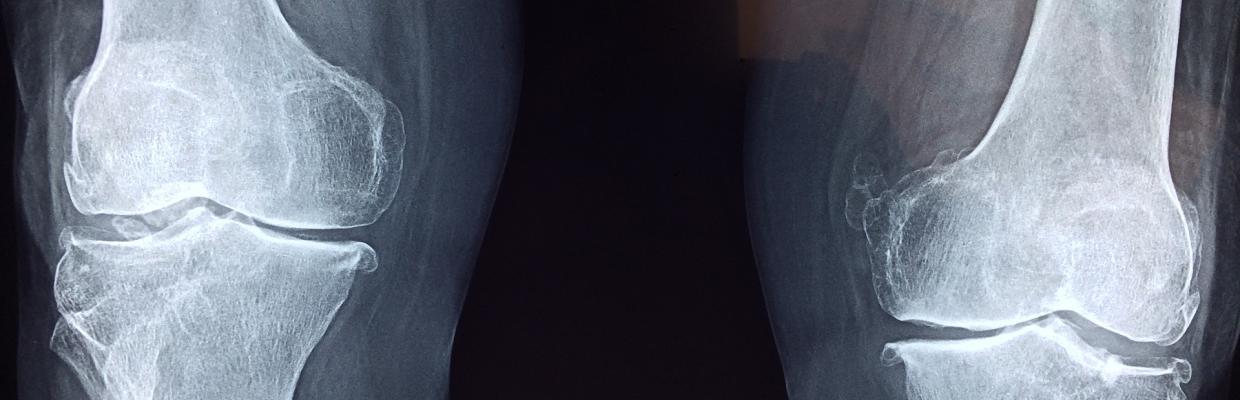
Listed below are the learning objectives of the degree programme, which adhere to the guidelines set by the European Union. Upon achieving these learning objectives, graduates will be fully equipped to pursue a Master's degree in the healthcare disciplines, or another graduate programme offered by one of the Departments grouped under the Faculty of Medicine.
Graduates in Orthopaedics Techniques should be able to:
- identify, prevent and respond to various risks (and correlated critical events) in the orthopaedics laboratory;
- demonstrate knowledge of the Italian legislation governing technical professions in healthcare, lab activities, medical and surgical devices and public health;
- assess the reliability of pre-analytical, analytical and productive processes, by applying their knowledge of biological, physiological and pathological phenomena;
- have a dynamic understanding of concepts such as automation, informatisation and communication;
- apply their knowledge of scientific progress to improve the effectiveness and efficiency of analytical and production processes;
- participate in planning and organisation processes (including cost analysis) for the introduction of new materials and technologies, or identify and anticipate factors that may affect the quality of information and production processes;
- verify the correct functioning and efficiency of machinery through functional tests, calibration and preventive maintenance, as well as extraordinary maintenance in the event of malfunctions;
- assess and verify the safety of any devices manufactured, supplied or customised by them;
- draft and define technical specifications;
- manufacture, assemble, modify and customise medical devices for the human body and the locomotor system in particular, including but not limited to orthoses, prostheses, technical aids, postural supports and other corrective, compensatory, palliative, retentive, position, functional and compression devices;
- verify the clinical/morphological suitability and technical/functional usability of the device in question (whereas any assessment on its therapeutic/rehabilitative effectiveness should be left to the professional who prescribed the device);
- supply manufactured and customised medical devices;
- verify the compliance and safety of devices, and sign certificates of conformity as prescribed by the law;
- oversee the quality of production processes and protocols;
- take all necessary actions to manage risks and guarantee the efficiency of any devices manufactured or commissioned, including by recalling products and planning technical assistance protocols;
- provide (or manage the provision of) technical assistance on medical devices manufactured or supplied by them;
- follow up and monitor the efficiency of devices already in use, highlighting cases where the device is no longer safe or coherent with the target treatment, with a view to proposing repairs or a replacement of the device itself;
- comply with ethics principles and rules of conduct applicable to orthopaedic technicians in the technical and manufacturing settings contemplated by the study plan;
- recognise their own role and area of competence and respect those of other healthcare professionals, adopting a collaborative approach;
- interact and collaborate proactively with interprofessional teams in order to plan and manage manufacturing activities, including decentralised activities;
- use information systems and IT systems when communicating with healthcare professionals, suppliers and end users;
- learn the basics of research methodology and apply the results of technical/methodological research to improve the quality of methods;
- know the principles of economic analysis and the basics of public economics and business economics;
- know the essentials of human resource management, with particular regard to HR management issues in the healthcare sector;
- demonstrate adequate proficiency (written and spoken) in at least another language of the European Union, in addition to Italian;
- demonstrate computer literacy skills enabling them to use IT systems and self-learning resources.
Within the scope of one's own expertise, the Orthopaedic Technician trains the disabled person to use the prosthesis and orthotics as supplied, carries out, in cooperation with the physician, technical care for the delivery, replacement, and repair of prostheses and orthotics with which the patient has been provided, liaises with other professional figures and the multi-disciplinary treatment contemplated in the rehabilitation plan, and is responsible for organising, planning, and the quality of the professional acts conducted within the scope of one's professional duties.
The Orthopaedic Technician conducts professional activities in public or private hospitals and clinics, whether as an employee or as an independent contractor.
Employment statistics (Almalaurea)
To be allowed to sit the for-credit exam, students must have attended at least 75% of the educational programming contemplated for each course.
Admission into the programme is capped, at a national level, pursuant to Law no. 264 of 2 August 1999.
The number of students who may be admitted is set each year pursuant to a decree of the Ministry of Universities and Research (MUR), based on findings provided by the university in terms of available instructional, classroom, and clinical resources (human and otherwise), as well as the demand for the type of professionals contemplated for this Class as determined by the Region of Lombardy, and the Ministry of Health.
The admission test will be administered as a national exam, generally in the month of September. The date will be set pursuant to a decree of MUR.
Additional learning requirements (OFA)
Students who answered less than 50% of the Biology and Chemistry questions on the admission test will be required to finish a set of additional learning requirements (OFA). These prerequisites may be met through specifically assigned remedial work. Any failure to complete the OFA will make it impossible for the student to sit the exam in: Microbiology and pathology and biochemistry.
Timely notice of the various courses will be posted to: https://tecnicheortopediche.cdl.unimi.it/it
Places available: 20 + 1 reserved for non-EU citizens
Call for applications
Please refer to the call for admission test dates and contents, and how to register.
Application for admission: from 08/08/2025 to 28/08/2025
Admission test date : 08/09/2025
Application for matriculation: from 22/10/2025 to 24/10/2025
Attachments and documents
| Courses or activities | Max ECTS | Total hours | Language | SSD |
|---|---|---|---|---|
| Compulsory | ||||
| Traineeship (first year) | 14 | 350 | Italian | MED/50 |
| Courses or activities | Max ECTS | Total hours | Language | SSD |
|---|---|---|---|---|
| Compulsory | ||||
| Anatomy | 4 | 40 | Italian | BIO/16 BIO/17 |
| - Histology | 1 | 10 | BIO/17 | |
| - Human anatomy | 3 | 30 | BIO/16 | |
| Basic Human Physiology and Psychology | 5 | 50 | Italian | BIO/09 M-PSI/01 |
| - Fisiologia generale | 1 | 10 | BIO/09 | |
| - General psychology | 2 | 20 | M-PSI/01 | |
| - Physiology of the chest and upper limbs | 1 | 10 | BIO/09 | |
| - Physiology of the lower limbs | 1 | 10 | BIO/09 | |
| Microbiology, Pathology and Biochemistry | 5 | 50 | Italian | BIO/12 MED/04 MED/07 |
| - Clinical biochemistry and molecular biology | 1 | 10 | BIO/12 | |
| - Experimental medicine and pathophysiology | 2 | 20 | MED/04 | |
| - Microbiology and clinical microbiology | 2 | 20 | MED/07 | |
| Physics and Mathematics | 8 | 80 | Italian | FIS/07 ING-INF/07 MAT/05 MED/01 |
| - Applied physics | 2 | 20 | FIS/07 | |
| - Electric and electronic measurements | 2 | 20 | ING-INF/07 | |
| - Mathematical analysis | 2 | 20 | MAT/05 | |
| - Medical statistics | 2 | 20 | MED/01 | |
| Courses or activities | Max ECTS | Total hours | Language | SSD |
|---|---|---|---|---|
| Compulsory | ||||
| Applied Medical and Technical Sciences 1 | 7 | 70 | Italian | MED/33 MED/34 MED/50 |
| - Applied medical techniques | 5 | 50 | MED/50 | |
| - Musculoskeletal system diseases | 1 | 10 | MED/33 | |
| - Physical and rehabilitation medicine | 1 | 10 | MED/34 | |
| Internal Medicine | 6 | 60 | Italian | MED/10 MED/13 MED/15 MED/16 MED/28 MED/38 |
| - Blood diseases | 1 | 10 | MED/15 | |
| - Endocrinology | 1 | 10 | MED/13 | |
| - General and subspecialty paediatrics | 1 | 10 | MED/38 | |
| - Oral diseases and dentistry | 1 | 10 | MED/28 | |
| - Respiratory diseases | 1 | 10 | MED/10 | |
| - Rheumatology | 1 | 10 | MED/16 | |
| Seminars (first year) | 1 | 15 | Italian | NN |
| Courses or activities | Max ECTS | Total hours | Language | SSD |
|---|---|---|---|---|
| Compulsory | ||||
| Computer Science Course | 3 | 30 | Italian | INF/01 |
| English Assessment B1 (2 ECTS) | 2 | 0 | English | NN |
| Courses or activities | Max ECTS | Total hours | Language | SSD |
|---|---|---|---|---|
| Compulsory | ||||
| Traineeship (second year) | 21 | 525 | Italian | MED/50 |
| Courses or activities | Max ECTS | Total hours | Language | SSD |
|---|---|---|---|---|
| Compulsory | ||||
| Bone and Joint Medicine and Surgery 1 | 10 | 100 | Italian | MED/33 MED/34 MED/36 |
| - Diagnostic imaging and radiotherapy | 2 | 20 | MED/36 | |
| - Musculoskeletal system diseases | 4 | 40 | MED/33 | |
| - Physical and rehabilitation medicine | 4 | 40 | MED/34 | |
| Interdisciplinary Sciences and Health Management | 5 | 50 | Italian | ING-INF/05 IUS/07 SECS-P/10 SECS-S/02 |
| - Information processing system | 2 | 20 | ING-INF/05 | |
| - Labour law | 1 | 10 | IUS/07 | |
| - Organization studies | 1 | 10 | SECS-P/10 | |
| - Statistics for experimental and technological research | 1 | 10 | SECS-S/02 | |
| Medicine and Surgery | 6 | 60 | Italian | BIO/14 MED/09 MED/18 MED/40 MED/41 |
| - Anaesthesiology | 1 | 10 | MED/41 | |
| - General surgery | 1 | 10 | MED/18 | |
| - Internal medicine | 2 | 20 | MED/09 | |
| - Obstetrics and gynaecology | 1 | 10 | MED/40 | |
| - Pharmacology | 1 | 10 | BIO/14 | |
| Courses or activities | Max ECTS | Total hours | Language | SSD |
|---|---|---|---|---|
| Compulsory | ||||
| Applied Medical and Technical Sciences 2 | 8 | 80 | Italian | MED/33 MED/34 MED/50 |
| - Applied medical techniques | 5 | 50 | MED/50 | |
| - Musculoskeletal system diseases | 2 | 20 | MED/33 | |
| - Physical and rehabilitation medicine | 1 | 10 | MED/34 | |
| Bone and Joint Medicine and Surgery 2 | 7 | 70 | Italian | MED/33 MED/34 |
| - Musculoskeletal system diseases | 4 | 40 | MED/33 | |
| - Physical and rehabilitation medicine | 3 | 30 | MED/34 | |
| Seminars (second year) | 1 | 15 | Italian | NN |
| Courses or activities | Max ECTS | Total hours | Language | SSD |
|---|---|---|---|---|
| Compulsory | ||||
| Traineeship (third year) | 25 | 625 | Italian | MED/50 |
| Courses or activities | Max ECTS | Total hours | Language | SSD |
|---|---|---|---|---|
| Compulsory | ||||
| Bone and Joint Medicine and Surgery 3 | 8 | 80 | Italian | MED/33 MED/34 |
| - Musculoskeletal system diseases | 4 | 40 | MED/33 | |
| - Physical and rehabilitation medicine | 4 | 40 | MED/34 | |
| Clinical Sciences | 9 | 90 | Italian | MED/19 MED/22 MED/24 MED/26 MED/27 MED/30 MED/39 |
| - Child neuropsychiatry | 1 | 10 | MED/39 | |
| - Eye diseases | 1 | 10 | MED/30 | |
| - Neurology | 1 | 10 | MED/26 | |
| - Neurosurgery | 2 | 20 | MED/27 | |
| - Plastic surgery | 2 | 20 | MED/19 | |
| - Urology | 1 | 10 | MED/24 | |
| - Vascular surgery | 1 | 10 | MED/22 | |
| Courses or activities | Max ECTS | Total hours | Language | SSD |
|---|---|---|---|---|
| Compulsory | ||||
| Applied Medical and Technical Sciences 3 | 8 | 80 | Italian | MED/09 MED/33 MED/34 MED/50 |
| - Applied medical techniques | 5 | 50 | MED/50 | |
| - Internal medicine | 1 | 10 | MED/09 | |
| - Musculoskeletal system diseases | 1 | 10 | MED/33 | |
| - Physical and rehabilitation medicine | 1 | 10 | MED/34 | |
| Seminars (third year) | 1 | 15 | Italian | NN |
| Courses or activities | Max ECTS | Total hours | Language | SSD |
|---|---|---|---|---|
| Compulsory | ||||
| Technical Laboratories | 3 | 45 | Italian | MED/50 |
| Courses or activities | Max ECTS | Total hours | Language | SSD |
|---|---|---|---|---|
| Compulsory | ||||
| Final Examination | 7 | 0 | Italian | NN |
The tuition fees for students enrolled in Bachelor's, Master's and single-cycle degree programmes are divided into two instalments with different calculation methods and payment schedules:
- The amount of the first instalment is the same for all students
- The amount of the second instalment varies according to the ISEE University value, the degree programme and the student status (on track / off track for one year or off track for more than a year)
- An additional fee is due for online programmes
The University also offers:
- Concessions for students meeting high merit requirements
- Diversified tuition fees according to the student's home country for international students with assets/income abroad
- Concessions for international students with refugee status
Scholarships and benefits
The University provides a range of financial benefits to students meeting special requirements (merit, financial or personal conditions, international students).
Learn more
Guidance:
Admission, ranking and enrolment