

Herbal Sciences and Technologies (Classe L-29)-Enrolled from 2014/15 Academic Year
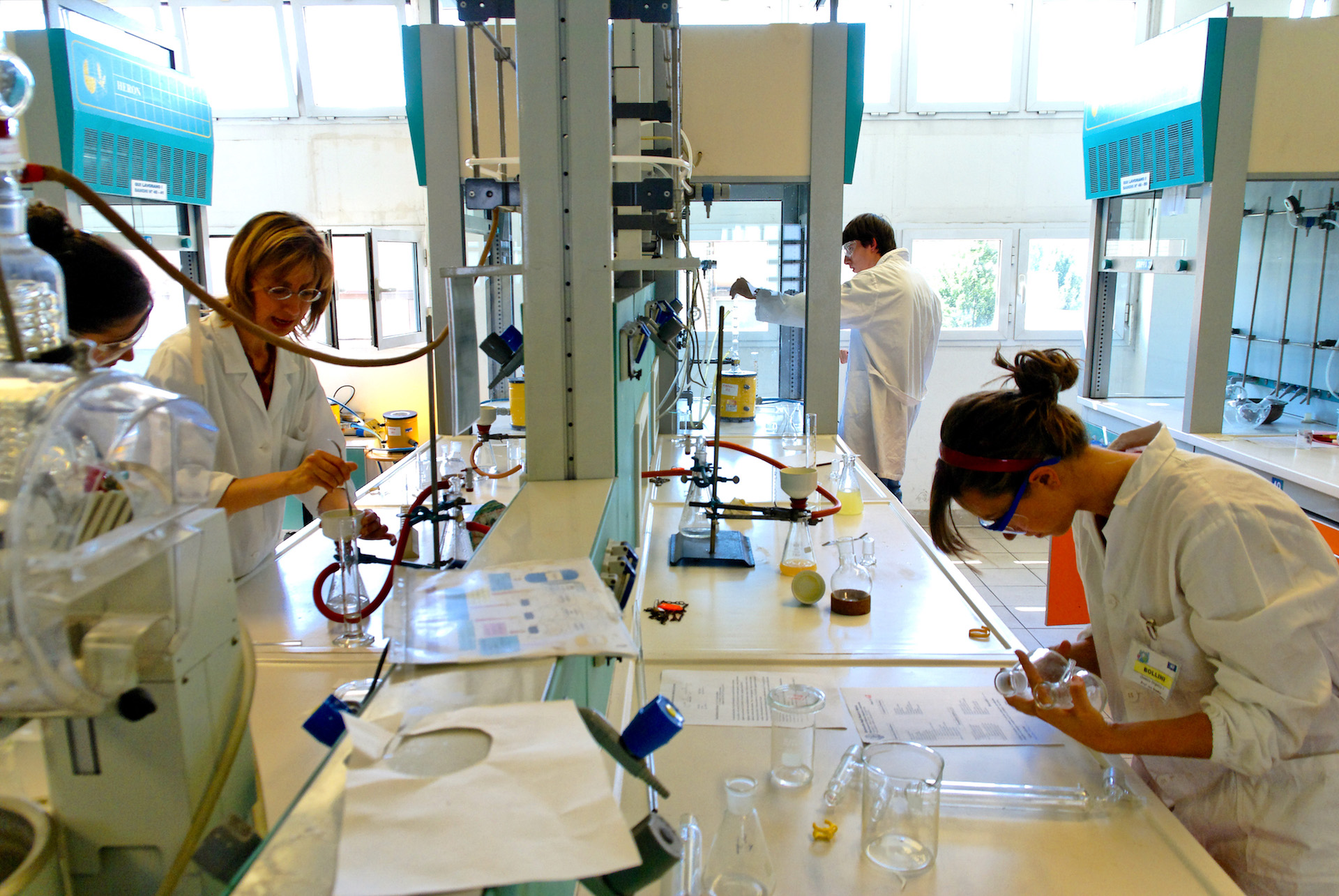
The course, in line with the provisions of the class of reference, is designed to prepare graduates with good basic and applied knowledge and professional skills in herbal sciences and technology and with the necessary training for access to graduate courses and Masters of cultural relevance.
Graduates will obtain mastery of investigative methods and testing, including aspects of data collection and communication of results, and competence in using advanced texts. They will have operational powers and will be able to perform technical, managerial and professional activities in the processing of medicinal plants in quality management sector, marketing of herbal drugs and their derivates to be used in the preparation of herbal products, food and cosmetics, ensuring compliance with the provisions from existing national and European laws.
The course includes basic and professional disciplines in the areas of chemistry, phytochemistry, biology, botany, pharmacognosy, pharmacology and concerning technological aspects.
At the end of the course, graduate will have knowledge and skills in:
· recognition, collection and conservation of medicinal plants;
· storage, control, distribution and supply of medicinal plants and their derivatives;
· analyses and determination of active ingredients;
· the biological effects of medicinal plants;
· toxicological aspects of the use of active ingredients and finished products;
· the study, design, management, supervision and conduction of productive processes of plants and their derivatives;
· recognition of herbal drugs, detection of adulterations and contaminations;
· quality control of products based on medicinal plants and derivatives;
· the possible applications of plants and their derived products for health products including food and cosmetics;
· legislation and ethic rules in the field;
· the scientific and technical advice concerning the supervision hygienic issues of plants and their derivatives in Department of the Government, particularly in the Ministries of Health, of Agriculture, Food and Forestry, Trade and Handicraft and Finance;
· the technical scientific and advisory to specialist publishing companies, dissemination of information in the field of medicinal plants and their derivatives.
A graduate in Herbal Science and Technologies possesses good basic knowledge, and knows how to use it along the production chain. He knows the methods of investigation of the sector and is able to use them professionally and to finalize their knowledge of problem solving of the whole supply chain. Is able to obtain the necessary information and to assess the implications in a productive and market context, to implement measures to improve the quality of herbal products. He/She is also able to communicate orally and in writing arguments on issues of competence. Finally, he/she has the tools of cognitive basis for the continuous updating of knowledge, also through the use of new communication technologies.
Graduates will obtain mastery of investigative methods and testing, including aspects of data collection and communication of results, and competence in using advanced texts. They will have operational powers and will be able to perform technical, managerial and professional activities in the processing of medicinal plants in quality management sector, marketing of herbal drugs and their derivates to be used in the preparation of herbal products, food and cosmetics, ensuring compliance with the provisions from existing national and European laws.
The course includes basic and professional disciplines in the areas of chemistry, phytochemistry, biology, botany, pharmacognosy, pharmacology and concerning technological aspects.
At the end of the course, graduate will have knowledge and skills in:
· recognition, collection and conservation of medicinal plants;
· storage, control, distribution and supply of medicinal plants and their derivatives;
· analyses and determination of active ingredients;
· the biological effects of medicinal plants;
· toxicological aspects of the use of active ingredients and finished products;
· the study, design, management, supervision and conduction of productive processes of plants and their derivatives;
· recognition of herbal drugs, detection of adulterations and contaminations;
· quality control of products based on medicinal plants and derivatives;
· the possible applications of plants and their derived products for health products including food and cosmetics;
· legislation and ethic rules in the field;
· the scientific and technical advice concerning the supervision hygienic issues of plants and their derivatives in Department of the Government, particularly in the Ministries of Health, of Agriculture, Food and Forestry, Trade and Handicraft and Finance;
· the technical scientific and advisory to specialist publishing companies, dissemination of information in the field of medicinal plants and their derivatives.
A graduate in Herbal Science and Technologies possesses good basic knowledge, and knows how to use it along the production chain. He knows the methods of investigation of the sector and is able to use them professionally and to finalize their knowledge of problem solving of the whole supply chain. Is able to obtain the necessary information and to assess the implications in a productive and market context, to implement measures to improve the quality of herbal products. He/She is also able to communicate orally and in writing arguments on issues of competence. Finally, he/she has the tools of cognitive basis for the continuous updating of knowledge, also through the use of new communication technologies.
The graduation in Herbal Sciences and Technologies offers employment opportunities in the professions of the following areas (ISTAT 2007): Tecnici della medicina popolare
Employment statistics (Almalaurea)
Employment statistics (Almalaurea)
Per essere ammessi al corso di laurea in Scienze e Tecnologie Erboristiche occorre possedere un diploma di scuola secondaria superiore oppure un altro titolo conseguito all'estero, riconosciuto idoneo, e un'adeguata preparazione iniziale. Per frequentare proficuamente il corso di laurea è necessario aver acquisito conoscenze comprendenti una soddisfacente familiarità con il calcolo matematico di base e con l'informatica, padronanza delle principali leggi della fisica e conoscenze di base della biologia cellulare e della chimica generale.
MODALITA' DI VERIFICA DELLE CONOSCENZE
Il possesso di questi requisiti, nonché delle capacità logiche e di comprensione di un testo, verrà verificato tramite un test TOLC-AV di valutazione obbligatorio e selettivo ai fini dell'iscrizione, da tenersi prima della immatricolazione.
Il TOLC-AV è un test online erogato dal CISIA (https://www.cisiaonline.it/), Consorzio Interuniversitario Sistemi Integrati per l'Accesso.
Struttura e argomenti della prova e altre informazioni utili: https://www.cisiaonline.it/area-tematica-tolc-agraria-veterinaria/struttura-della-prova-e-syllabus/.
Il TOLC-AV può essere sostenuto presso l'Università degli Studi di Milano o una qualsiasi altra sede tra quelle indicate nel calendario disponibile alla pagina https://tolc.cisiaonline.it/calendario.php
Procedure di iscrizione e scadenze saranno indicate nel bando di concorso che verrà pubblicato sul sito di Ateneo alla pagina https://www.unimi.it/it/studiare/immatricolarsi-e-iscriversi.
Potranno immatricolarsi al Corso di Laurea in Scienze e Tecnologie Erboristiche soltanto gli studenti utilmente collocati nella graduatoria di merito.
OBBLIGHI FORMATIVI AGGIUNTIVI E MODALITÀ PER IL RECUPERO OFA
Alle matricole che nel modulo di Matematica di base del test TOLC-AV non risponderanno correttamente almeno al 50 % delle domande, saranno assegnati Obblighi Formativi Aggiuntivi (OFA). Tali obblighi potranno essere soddisfatti, frequentando attività di supporto organizzate dall'Ateneo nel periodo ottobre-dicembre, seguite da una prova di recupero con la quale lo studente dovrà dimostrare di aver migliorato la propria preparazione. In assenza di questa evidenza, lo studente non potrà sostenere l'esame di Matematica e informatica.
ESONERI DAL TEST
Gli studenti già iscritti ad un corso di Laurea Magistrale a ciclo unico in Farmacia o Chimica e tecnologia farmaceutiche di questa o altra Università e gli iscritti ad un corso di laurea in Scienze e tecnologie erboristiche o Tecniche erboristiche di un'altra Università sono esonerati dal test, purché abbiano sostenuto esami del primo anno per almeno 40 crediti dei rispettivi ordinamenti, in quanto dopo il riconoscimento dei crediti saranno ammessi almeno al secondo anno di corso. Sono altresì esonerati i laureati in Farmacia o Chimica e tecnologia farmaceutiche di qualunque Università italiana o straniera e i laureati magistrali in Biotecnologie del farmaco e Biotecnologie farmaceutiche (quinquennale) dell'Università degli studi di Milano.
MODALITA' DI VERIFICA DELLE CONOSCENZE
Il possesso di questi requisiti, nonché delle capacità logiche e di comprensione di un testo, verrà verificato tramite un test TOLC-AV di valutazione obbligatorio e selettivo ai fini dell'iscrizione, da tenersi prima della immatricolazione.
Il TOLC-AV è un test online erogato dal CISIA (https://www.cisiaonline.it/), Consorzio Interuniversitario Sistemi Integrati per l'Accesso.
Struttura e argomenti della prova e altre informazioni utili: https://www.cisiaonline.it/area-tematica-tolc-agraria-veterinaria/struttura-della-prova-e-syllabus/.
Il TOLC-AV può essere sostenuto presso l'Università degli Studi di Milano o una qualsiasi altra sede tra quelle indicate nel calendario disponibile alla pagina https://tolc.cisiaonline.it/calendario.php
Procedure di iscrizione e scadenze saranno indicate nel bando di concorso che verrà pubblicato sul sito di Ateneo alla pagina https://www.unimi.it/it/studiare/immatricolarsi-e-iscriversi.
Potranno immatricolarsi al Corso di Laurea in Scienze e Tecnologie Erboristiche soltanto gli studenti utilmente collocati nella graduatoria di merito.
OBBLIGHI FORMATIVI AGGIUNTIVI E MODALITÀ PER IL RECUPERO OFA
Alle matricole che nel modulo di Matematica di base del test TOLC-AV non risponderanno correttamente almeno al 50 % delle domande, saranno assegnati Obblighi Formativi Aggiuntivi (OFA). Tali obblighi potranno essere soddisfatti, frequentando attività di supporto organizzate dall'Ateneo nel periodo ottobre-dicembre, seguite da una prova di recupero con la quale lo studente dovrà dimostrare di aver migliorato la propria preparazione. In assenza di questa evidenza, lo studente non potrà sostenere l'esame di Matematica e informatica.
ESONERI DAL TEST
Gli studenti già iscritti ad un corso di Laurea Magistrale a ciclo unico in Farmacia o Chimica e tecnologia farmaceutiche di questa o altra Università e gli iscritti ad un corso di laurea in Scienze e tecnologie erboristiche o Tecniche erboristiche di un'altra Università sono esonerati dal test, purché abbiano sostenuto esami del primo anno per almeno 40 crediti dei rispettivi ordinamenti, in quanto dopo il riconoscimento dei crediti saranno ammessi almeno al secondo anno di corso. Sono altresì esonerati i laureati in Farmacia o Chimica e tecnologia farmaceutiche di qualunque Università italiana o straniera e i laureati magistrali in Biotecnologie del farmaco e Biotecnologie farmaceutiche (quinquennale) dell'Università degli studi di Milano.
The Bachelor's school in Herbal Sciences and Technologies offers to its students the opportunity to spend periods of study and training abroad through mobility programs mainly represented by Erasmus +. The geographical areas in which reside the European Universities partners of the international training program are mainly Spain, Germany, Poland and the Netherlands. Students may also apply for the destinations specified in the call of Agricultural Sciences and Technologies. Mobility is directed to the study (frequency to courses) and to a training period that may be the subject of the thesis. Universities with which Agreements were established offer courses and training periods in pharmacology, phytochemistry, microbiology and pathology. Each student is assisted by one of the teacher of the course as an internal tutor.
Recognition of study periods abroad:
Each student, depending on the period of time spent abroad, should propose a Learning Agreement providing an adequate number of credits for his/her study or training:
- An academic year: 60 credits;
- An academic semester: 30 credits;
- An academic quarter: 20 CFU
For study programs, students must acquire at least 70% of the credits specified in the Learning Agreement. For the training period the student must acquire all the credits specified by the Learning Agreement. Additional score to the degree mark will be added to students who have fulfilled the study or training programs. This score ranges from a minimum of 1 to a maximum of 3 points (depending on the duration of the training period, the amount of credits obtained and the overall result achieved) and will be proposed by the tutor to the Commission of the final exam.
Recognition of study periods abroad:
Each student, depending on the period of time spent abroad, should propose a Learning Agreement providing an adequate number of credits for his/her study or training:
- An academic year: 60 credits;
- An academic semester: 30 credits;
- An academic quarter: 20 CFU
For study programs, students must acquire at least 70% of the credits specified in the Learning Agreement. For the training period the student must acquire all the credits specified by the Learning Agreement. Additional score to the degree mark will be added to students who have fulfilled the study or training programs. This score ranges from a minimum of 1 to a maximum of 3 points (depending on the duration of the training period, the amount of credits obtained and the overall result achieved) and will be proposed by the tutor to the Commission of the final exam.
La frequenza alle esercitazioni di laboratorio a posto singolo è obbligatoria.
La frequenza agli insegnamenti di lezioni frontali è fortemente consigliata, ma non obbligatoria.
Si raccomanda in particolare la frequenza alle lezioni frontali e alle esercitazioni in aula degli insegnamenti del primo anno.
Sia gli studenti frequentanti che quelli non frequentanti avranno accesso al materiale didattico dei diversi insegnamenti per mezzo della piattaforma informatica ARIEL attraverso le credenziali di Ateneo
La frequenza agli insegnamenti di lezioni frontali è fortemente consigliata, ma non obbligatoria.
Si raccomanda in particolare la frequenza alle lezioni frontali e alle esercitazioni in aula degli insegnamenti del primo anno.
Sia gli studenti frequentanti che quelli non frequentanti avranno accesso al materiale didattico dei diversi insegnamenti per mezzo della piattaforma informatica ARIEL attraverso le credenziali di Ateneo
Courses list
year
| Courses or activities | Max ECTS | Total hours | Language | SSD |
|---|---|---|---|---|
| Compulsory | ||||
| Human Physiology and Basic Anatomy | 9 | 72 | Italian | BIO/09 |
| Plant Biology and Pharmaceutical Botany | 12 | 112 | Italian | BIO/15 |
First semester
| Courses or activities | Max ECTS | Total hours | Language | SSD |
|---|---|---|---|---|
| Compulsory | ||||
| Biology | 6 | 48 | Italian | BIO/13 |
| General and Inorganic Chemistry | 6 | 56 | Italian | CHIM/03 |
| Mathematics and Informatics | 7 | 50 | Italian | INF/01 MAT/01 MAT/02 MAT/03 MAT/04 MAT/05 MAT/06 MAT/07 MAT/08 MAT/09 |
| - Informatics | 3 | 18 | INF/01,MAT/01,MAT/02,MAT/03,MAT/04,MAT/05,MAT/06,MAT/07,MAT/08,MAT/09 | |
| - Mathematics | 4 | 32 | INF/01,MAT/01,MAT/02,MAT/03,MAT/04,MAT/05,MAT/06,MAT/07,MAT/08,MAT/09 | |
Second semester
| Courses or activities | Max ECTS | Total hours | Language | SSD |
|---|---|---|---|---|
| Compulsory | ||||
| Chemical Toxicology Analysis | 7 | 72 | Italian | CHIM/08 |
| Organic Chemistry | 7 | 56 | Italian | CHIM/06 |
Open sessions
There are no specific sessions for these activities.
| Courses or activities | Max ECTS | Total hours | Language | SSD |
|---|---|---|---|---|
| Compulsory | ||||
| English Assessment B1 (3 ECTS) | 3 | 0 | Italian | |
year
| Courses or activities | Max ECTS | Total hours | Language | SSD |
|---|---|---|---|---|
| Compulsory | ||||
| Biochemistry and Human Nutrition | 12 | 96 | Italian | BIO/09 BIO/10 |
| - Biochemistry | 7 | 56 | BIO/10 | |
| - Food and human nutrition | 5 | 40 | BIO/09 | |
First semester
| Courses or activities | Max ECTS | Total hours | Language | SSD |
|---|---|---|---|---|
| Compulsory | ||||
| Chemistry of Natural Organic Compounds and Foods | 11 | 96 | Italian | CHIM/06 CHIM/10 |
| - Chemistry of healthy foods | 6 | 48 | CHIM/10 | |
| - Chemistry or natural organic compounds | 5 | 48 | CHIM/06 | |
| General Pathology and Pathophysiology | 6 | 48 | Italian | MED/04 |
Second semester
| Courses or activities | Max ECTS | Total hours | Language | SSD |
|---|---|---|---|---|
| Compulsory | ||||
| Agricultural Biochemistry and Physiology of Medicinal Plants | 6 | 48 | Italian | AGR/13 |
| Pharmacognosy 1 | 6 | 56 | Italian | BIO/15 |
| Pharmacology and Toxicology | 10 | 80 | Italian | BIO/14 |
| - Pharmacology | 6 | 48 | BIO/14 | |
| - Toxicology | 4 | 32 | BIO/14 | |
| Phytopharmaceuticals: Chemistry and Analysis | 8 | 80 | Italian | CHIM/08 |
year
| Courses or activities | Max ECTS | Total hours | Language | SSD |
|---|---|---|---|---|
| Compulsory | ||||
| Experimental Models and Use of Herbal Drugs | 11 | 88 | Italian | BIO/14 BIO/15 |
| - Models for studying the biological activity of natural substances | 6 | 48 | BIO/14 | |
| - Phytotherapy | 5 | 40 | BIO/15 | |
First semester
| Courses or activities | Max ECTS | Total hours | Language | SSD |
|---|---|---|---|---|
| Compulsory | ||||
| Advanced Analysis of Active Principles in Herbal Drugs | 8 | 80 | Italian | CHIM/08 |
| Formulation and Legislation of Cosmetic Products | 6 | 56 | Italian | CHIM/09 |
| Formulation and Legislation of Health Products | 6 | 56 | Italian | CHIM/09 |
Second semester
| Courses or activities | Max ECTS | Total hours | Language | SSD |
|---|---|---|---|---|
| Compulsory | ||||
| Pharmacognosy 2 | 6 | 48 | Italian | BIO/15 |
| Optional | ||||
| Active Molecules from Natural Sources as Pharmacological Tools | 3 | 24 | Italian | BIO/14 |
| Aromatic and Medicinal Plant Cultivation | 3 | 24 | Italian | AGR/04 |
| Dietary Products | 3 | 24 | Italian | CHIM/10 |
| Fermentation Chemistry | 3 | 24 | Italian | CHIM/11 |
| Medicinal Plants and Their Recognition | 3 | 24 | Italian | BIO/15 |
| Natural Antioxidants, Vitamins and Phytosterols | 3 | 24 | Italian | BIO/14 |
| Physiology of the Skin | 3 | 24 | Italian | BIO/09 |
| Phytotherapy for the Skin | 3 | 24 | Italian | BIO/14 |
| Poisonous Plants and Allergens | 3 | 24 | Italian | BIO/14 |
| Principles of Dietetics | 3 | 24 | Italian | BIO/09 |
Conclusive activities
There are no specific sessions for these activities.
| Courses or activities | Max ECTS | Total hours | Language | SSD |
|---|---|---|---|---|
| Compulsory | ||||
| Practical Training | 12 | 0 | Italian | |
| Final Exam | 3 | 0 | Italian | |
Study plan rules
- The number of CFU reserved for activities to be chosen by the student is 12. Notwithstanding the complete freedom of choice among all the teachings activated in University, provided it is consistent with the training project, the Manifesto will report a list of optional courses specially activated for this Bachelor.
| Courses or activities | Max ECTS | Total hours | Language | Lesson period | SSD |
|---|---|---|---|---|---|
| Active Molecules from Natural Sources as Pharmacological Tools | 3 | 24 | Italian | Second semester | BIO/14 |
| Aromatic and Medicinal Plant Cultivation | 3 | 24 | Italian | Second semester | AGR/04 |
| Dietary Products | 3 | 24 | Italian | Second semester | CHIM/10 |
| Fermentation Chemistry | 3 | 24 | Italian | Second semester | CHIM/11 |
| Medicinal Plants and Their Recognition | 3 | 24 | Italian | Second semester | BIO/15 |
| Natural Antioxidants, Vitamins and Phytosterols | 3 | 24 | Italian | Second semester | BIO/14 |
| Physiology of the Skin | 3 | 24 | Italian | Second semester | BIO/09 |
| Phytotherapy for the Skin | 3 | 24 | Italian | Second semester | BIO/14 |
| Poisonous Plants and Allergens | 3 | 24 | Italian | Second semester | BIO/14 |
| Principles of Dietetics | 3 | 24 | Italian | Second semester | BIO/09 |
The frequency to the laboratories of chemical and toxicological analysis, CI-chemistry, Chemistry, biochemistry and physiology of officinal plants (Md. Chemistry of organic natural products), and Phytopharmaceutical chemistry and analysis, Advanced analysis of active principles of vegetable drugs, CI- Formulation and legislation of health and cosmetic products (Md. Health products), CI- Formulation and legislation of health and cosmetic products (Md. Cosmetic products), CI-quality and safety (Mod Microbiology) is compulsory and will lead to registration of frequency signature.
Access to the laboratory of CI-chemistry, biochemistry and physiology of plants (Md. Chemistry of natural organic substances) is subject to passing the general and inorganic chemistry.
Access to the laboratory of Phytopharmaceutical chemistry and analysis is subject to the signing of frequency of Chemical and toxicological analysis laboratory and overcome exams of general and inorganic chemistry and organic chemistry.
Access to Advanced analysis of active principles of vegetable drugs, is conditional on the acquisition of signature frequency of Phytopharmaceutical chemistry and analysis laboratory and passing Organic Chemistry.
Access to the laboratory of CI-chemistry, biochemistry and physiology of plants (Md. Chemistry of natural organic substances) is subject to passing the general and inorganic chemistry.
Access to the laboratory of Phytopharmaceutical chemistry and analysis is subject to the signing of frequency of Chemical and toxicological analysis laboratory and overcome exams of general and inorganic chemistry and organic chemistry.
Access to Advanced analysis of active principles of vegetable drugs, is conditional on the acquisition of signature frequency of Phytopharmaceutical chemistry and analysis laboratory and passing Organic Chemistry.
Course location
Milano
Laboratories locations
Le esercitazioni a posto singolo si svolgono nei laboratori a disposizione della Facoltà di Scienze del Farmaco, secondo quanto indicato nell'orario didattico di Ateneo. In ogni laboratorio è a disposizione una postazione predisposta per studenti con disabilità motoria.
Reference structures
Contacts
- Vicepresidente del Collegio Didattico Interdipartimentale Prof. Mario Dell'Agli
Via Balzaretti, 9 Milano
[email protected]
+3902 50318398
Ricevimento studenti: su prenotazione telefonica o via e-mail, c/o Dipartimento di Scienze Farmacologiche e Biomolecolari - Coordinatore del Corso di Laurea Prof.ssa Gelsomina Fico
Via Mangiagalli, 25 Milano
[email protected]
+3902 50319375
Ricevimento studenti: su prenotazione telefonica o via e-mail, c/o DISFARM, Via Mangiagalli 25, secondo piano, studio 2013 - Coordinatore ERASMUS: Prof.ssa Francesca Clerici
Via Venezian, 21 Milano
[email protected]
+3902 50314472
Ricevimento studenti: su prenotazione telefonica o via e-mail, c/o Dipartimento di Scienze Farmaceutiche (DISFARM) Sezione di Chimica Generale e Organica "A. Marchesini" III piano - Segretario del Collegio Didattico Interdipartimentale: Dott. Fiorella Meneghetti
Via Mangiagalli, 25 Milano
[email protected]
+3902 50319306
Ricevimento studenti: tutti i giorni previo appuntamento, c/o studio I piano stanza 1064 via Mangiagalli 25 - Segreteria Studenti
Contatti: https://www.unimi.it/it/node/359
+390250325032 - Segreteria Studenti
Sedi e orari: https://www.unimi.it/it/node/360
A.Y. 2025/2026
A.Y. 2024/2025
A.Y. 2023/2024
A.Y. 2022/2023
A.Y. 2021/2022
A.Y. 2020/2021
Official documents