The Faculty of Veterinary Medicine at University of Milan offers a stimulating environment for study and research in the areas of Veterinary Medicine, Animal Production and Veterinary Biotechnology.
After transferring the Faculty from Milan to Lodi in 2018, it now has the newest facilities designed by the Japanese architect Kengo Kuma, an educational hospital where students progressively approach clinical-assistance activities involving different animal species under the guidance of the medical staff, and an experimental zootechnical center for learning about the different aspects of animal husbandry.
The provision of educational programmes, which are constantly linked to both the professional realities and the needs of the territory, has gained strength from the consolidated knowledge and experience that is rooted in one of the oldest schools dedicated to the study of animal diseases and husbandry, namely, the Veterinary School that was founded in 1791 and merged into the University in 1932.
These degree programmes are no longer available: courses are no longer delivered and no new students are accepted.
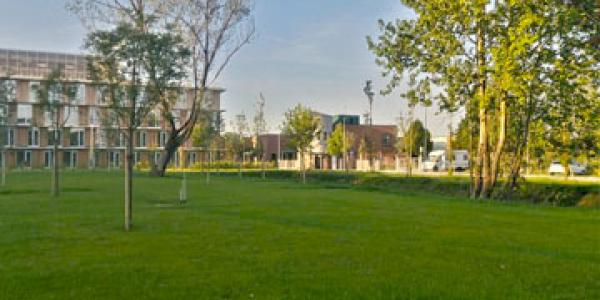
Studying Veterinary Medicine at the University of Milan: characteristics and strengths of the faculty.
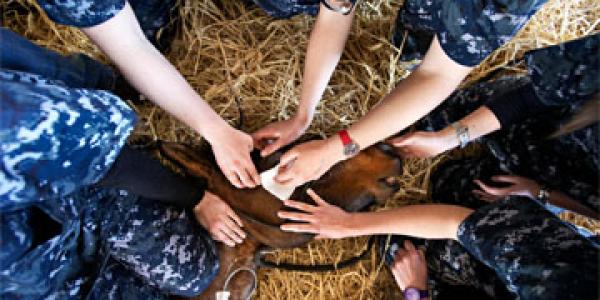
The didactic organization: lessons, internships, scholarships and awards, theses and international mobility.
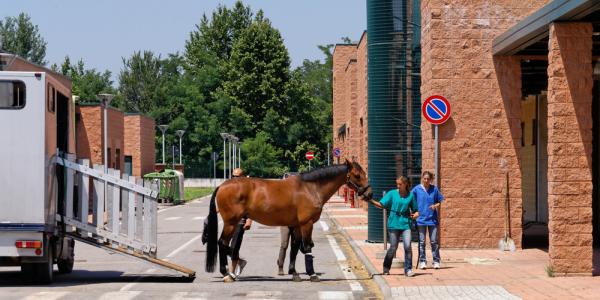
Continue your studies or enter the workplace: employment opportunities and post-graduate training in Veterinary Medicine
Location
The Faculty of Veterinary Medicine is located in Lodi on via dell’Università 6. It consists of a central educational building, a University Veterinary Hospital and an experimental zootechnical centre
Classrooms
The central educational building has 19 rooms while University Veterinary Hospital has 4 classrooms.
Department of Veterinary Medicine and Animal Sciences
Via dell'Università 6 - 26900 Lodi
Course Administration
via Dell'Università 6 - 26900 Lodi
Head: Ms. Silvia Milanesi
Registrar
via Dell'Università 6 - 26900 Lodi