

Dental Hygiene
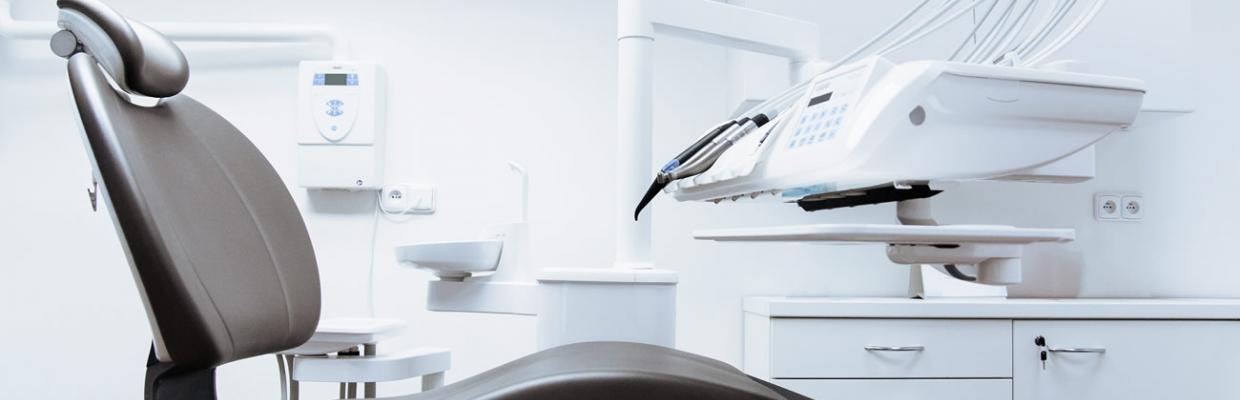
In-person programme
Dental Hygiene
Course sheet
A.Y. 2026/2027
Bachelor
L/SNT3 - Health professions for technical assistance
Those earning a degree in Dental Hygiene, pursuant to the guidelines provided by the European Union, must:
have a solid understanding of human biological systems;
be able to describe the systems and apparati of the human body, with particular emphasis on the structures of the head and oral cavity, and all histological framework for the same;
have a solid understanding of microbiology and general pathology;
have basic computer skills, with the ability to apply these in practice, and using these to begin to develop and strengthen mathematical-statistic techniques;
know the key principles of epidemiology, the methods of disease transmission, the complications from cavities, as well as all methods of preventing and filling cavities;
know how to describe the key frameworks for oral-mucosal diseases, know the methods of transmission of infectious diseases, and prevention of cross-infections;
know how to describe the framework for preventing illness in adults and children, as well as congenital deformities, relating to the principles of pharmacological therapies to empirical data;
be familiar with one's local national-health-service facilities and clinics, regulations on x-ray safeguards, and the related legal concepts;
be able to establish a proper relationship with the patient, positioning it within the framework of current behavioural-analysis, communication, and patient education / consent techniques;
recognise anomalies in terms of position and number of teeth, inter-maxillary relationships, issues in their treatment, and the increased risk of contracting periodontal disease, and how to prevent them;
be familiar with etiopathogenesis, diagnosis, prophylaxis, and prevention of dental and periodontal disease in children and youth;
possess an adequate understanding of etiopathogenesis, and diagnosis of inflammatory diseases of the tissues supporting the teeth (gingivitis and periodontal disease); know how to describe and perform home and professional dental hygiene;
be able to provide first aid whether within one's clinic or hospital, or in the community;
have English-language proficiency as required by one's specific job duties, and simple exchanges of information;
possess the proper cognitive tools needed to read and understand scientific literature, and to use IT technologies for professional communication, management, and planning.
have a solid understanding of human biological systems;
be able to describe the systems and apparati of the human body, with particular emphasis on the structures of the head and oral cavity, and all histological framework for the same;
have a solid understanding of microbiology and general pathology;
have basic computer skills, with the ability to apply these in practice, and using these to begin to develop and strengthen mathematical-statistic techniques;
know the key principles of epidemiology, the methods of disease transmission, the complications from cavities, as well as all methods of preventing and filling cavities;
know how to describe the key frameworks for oral-mucosal diseases, know the methods of transmission of infectious diseases, and prevention of cross-infections;
know how to describe the framework for preventing illness in adults and children, as well as congenital deformities, relating to the principles of pharmacological therapies to empirical data;
be familiar with one's local national-health-service facilities and clinics, regulations on x-ray safeguards, and the related legal concepts;
be able to establish a proper relationship with the patient, positioning it within the framework of current behavioural-analysis, communication, and patient education / consent techniques;
recognise anomalies in terms of position and number of teeth, inter-maxillary relationships, issues in their treatment, and the increased risk of contracting periodontal disease, and how to prevent them;
be familiar with etiopathogenesis, diagnosis, prophylaxis, and prevention of dental and periodontal disease in children and youth;
possess an adequate understanding of etiopathogenesis, and diagnosis of inflammatory diseases of the tissues supporting the teeth (gingivitis and periodontal disease); know how to describe and perform home and professional dental hygiene;
be able to provide first aid whether within one's clinic or hospital, or in the community;
have English-language proficiency as required by one's specific job duties, and simple exchanges of information;
possess the proper cognitive tools needed to read and understand scientific literature, and to use IT technologies for professional communication, management, and planning.
Within the scope of the Dental Hygienist's professional role, graduates are deemed healthcare workers with those attributions vested in them by Ministry of Health Decree no. 137 of 15 March 1999 (as subsequently amended). That is, they carry out, at the direction of a dentist or a physician authorised to practice dentistry, duties relating to the prevention of oral/dental maladies. Dental-hygiene graduates provide dental patient education and take part in primary disease-prevention programmes as part of the national health system; they assist in compiling the patient's medical/dental chart, and collect technical and statistical data; they assist with plaque removal and tooth polishing, as well as the topical application of various prophylaxes; they provide instruction on various oral-hygiene techniques, and the use of diagnostic methods that reveal bacterial plaque and film on the teeth, promoting regular dental check-ups; they provide guidance on proper nutrition for good dental health.
Professional outlets include public and private dental offices/clinics, authorised under applicable law, whether as an employee or freelance professional. A basic proficiency in the English language allowing them to work both in Italy, or in Europe (or beyond) is important.
Employment statistics (Almalaurea)
Professional outlets include public and private dental offices/clinics, authorised under applicable law, whether as an employee or freelance professional. A basic proficiency in the English language allowing them to work both in Italy, or in Europe (or beyond) is important.
Employment statistics (Almalaurea)
Il Corso di Studi non ha attivato accordi Erasmus+ con Atenei esteri.
Attendance of all educational activities contemplated in the study plan is mandatory.
To be allowed to sit the for-credit exam, students must have attended at least 75% of the educational programming contemplated for each course. Should a student's attendance fall short of the required attendance level, instructors may assign alternative educational activities, including self-study, which the student must complete and submit before being allowed to sit a given exam.
- Attendance of all pre-professional training is mandatory, and cannot be fulfilled through other means.
To be allowed to sit the for-credit exam, students must have attended at least 75% of the educational programming contemplated for each course. Should a student's attendance fall short of the required attendance level, instructors may assign alternative educational activities, including self-study, which the student must complete and submit before being allowed to sit a given exam.
- Attendance of all pre-professional training is mandatory, and cannot be fulfilled through other means.
Enrolment
Requirements and knowledge requested for access:
- Italian secondary-school diploma or similar diploma obtained overseas and deemed equivalent;
- sufficient educational background. A student's educational background must include a sufficient basis in the sciences, and in biomedical science in particular.
Assessment methods:
- admission test: admission into the programme is capped, at a national level, pursuant to Law no. 264 of 2 August 1999.
- exam topics: logic, biology, physics, chemistry, maths, general knowledge.
Enrolment in the Degree Programme in Dental Hygiene is capped. The number of students who may be admitted into Year I of the programme is set on a national level of MUR decree.
The number of students who may be admitted is set each year pursuant to a decree of the Ministry of Universities and Research (MUR), based on findings provided by the university in terms of available instructional, classroom, and clinical resources (human and otherwise), as well as the demand for the type of professionals contemplated for this Class as determined by the Region of Lombardy, and the Ministry of Health.
The admission test will be administered as a national exam, generally in the month of September. The date will be set pursuant to a decree of MUR.
Additional learning requirements (OFA)
Students who answered less than 50% of the Biology and Chemistry questions on the admission test will be required to finish a set of additional learning requirements (OFA). These prerequisites may be met through specifically assigned remedial work. Any failure to complete the OFA will make it impossible for the student to sit the exam in: Biology.
Timely notice of the various courses will be posted to: https://igienedentale.cdl.unimi.it
- Italian secondary-school diploma or similar diploma obtained overseas and deemed equivalent;
- sufficient educational background. A student's educational background must include a sufficient basis in the sciences, and in biomedical science in particular.
Assessment methods:
- admission test: admission into the programme is capped, at a national level, pursuant to Law no. 264 of 2 August 1999.
- exam topics: logic, biology, physics, chemistry, maths, general knowledge.
Enrolment in the Degree Programme in Dental Hygiene is capped. The number of students who may be admitted into Year I of the programme is set on a national level of MUR decree.
The number of students who may be admitted is set each year pursuant to a decree of the Ministry of Universities and Research (MUR), based on findings provided by the university in terms of available instructional, classroom, and clinical resources (human and otherwise), as well as the demand for the type of professionals contemplated for this Class as determined by the Region of Lombardy, and the Ministry of Health.
The admission test will be administered as a national exam, generally in the month of September. The date will be set pursuant to a decree of MUR.
Additional learning requirements (OFA)
Students who answered less than 50% of the Biology and Chemistry questions on the admission test will be required to finish a set of additional learning requirements (OFA). These prerequisites may be met through specifically assigned remedial work. Any failure to complete the OFA will make it impossible for the student to sit the exam in: Biology.
Timely notice of the various courses will be posted to: https://igienedentale.cdl.unimi.it
Places available: 55 + 2 reserved for non-EU citizens
Call for applications
Please refer to the call for admission test dates and contents, and how to register.
Application for admission: from 17/08/2026 to 03/09/2026
Admission test date : 16/09/2026
Application for enrolment: from 30/09/2026 to 05/10/2026
Attachments and documents
Online services
Learn more:
Programme description and courses list
year
| Courses or activities | Max ECTS | Total hours | Language | SSD |
|---|---|---|---|---|
| Compulsory | ||||
| Clinical Practice 1 | 20 | 500 | Italian | MEDS-26/B |
First semester
| Courses or activities | Max ECTS | Total hours | Language | SSD |
|---|---|---|---|---|
| Compulsory | ||||
| Biological Sciences (Physiology, General biochemistry and clinical biochemistry, Applied Biology) | 9 | 90 | Italian | BIOS-06/A BIOS-07/A BIOS-09/A BIOS-10/A |
| - Biochemistry | 2 | 20 | BIOS-07/A | |
| - Clinical biochemistry and molecular biology | 1 | 10 | BIOS-09/A | |
| - Experimental biology | 1 | 10 | BIOS-10/A | |
| - Physiology | 5 | 50 | BIOS-06/A | |
| Morphological Sciences (Human anatomy and histology) | 7 | 70 | Italian | BIOS-12/A BIOS-13/A |
| - Histology | 1 | 10 | BIOS-13/A | |
| - Human anatomy | 6 | 60 | BIOS-12/A | |
| Physics and Statistics (Applied Phisics, Medical Statistics) | 5 | 50 | Italian | MEDS-24/A PHYS-06/A |
| - Applied physics | 3 | 30 | PHYS-06/A | |
| - Medical statistics | 2 | 20 | MEDS-24/A | |
Second semester
| Courses or activities | Max ECTS | Total hours | Language | SSD |
|---|---|---|---|---|
| Compulsory | ||||
| Dental Sciences 1 - Cariology 1 (Microbiology, General hygiene, Cariology) | 7 | 70 | Italian | MEDS-03/A MEDS-16/A MEDS-24/B MEDS-26/B |
| - Igiene generale e applicata | 2 | 20 | MEDS-24/B | |
| - Materiali dentari | 1 | 10 | MEDS-16/A | |
| - Microbiologia clinica | 1 | 10 | MEDS-03/A | |
| - Odontoiatria di comunità | 1 | 10 | MEDS-16/A | |
| - Semeiotica, anamnesi e monitoraggio del cavo orale 1 | 1 | 10 | MEDS-26/B | |
| - Tecniche di igiene orale domiciliare | 1 | 10 | MEDS-26/B | |
| Microbiology and General Pathology | 4 | 40 | Italian | MEDS-02/A MEDS-03/A |
| - Microbiologia generale | 2 | 20 | MEDS-03/A | |
| - Patologia generale | 2 | 20 | MEDS-02/A | |
Open sessions
There are no specific sessions for these activities.
| Courses or activities | Max ECTS | Total hours | Language | SSD |
|---|---|---|---|---|
| Compulsory | ||||
| English Assessment B1 (2 ECTS) | 2 | 0 | English | NN |
Study plan rules
Elettivi - Lo studente, al primo anno, deve altresì maturare 2 CFU in attività formative a scelta.
be activated by the A.Y. 2027/2028
year
| Courses or activities | Max ECTS | Total hours | Language | SSD |
|---|---|---|---|---|
| Compulsory | ||||
| Clinical Practice 2 | 20 | 500 | Italian | MEDS-26/B |
First semester
| Courses or activities | Max ECTS | Total hours | Language | SSD |
|---|---|---|---|---|
| Compulsory | ||||
| Dental Sciences 2 - Cariology 2 | 4 | 40 | Italian | MEDS-16/A MEDS-26/B |
| - Conservativa ed endodonzia | 2 | 20 | MEDS-16/A | |
| - Semeiotica, anamnesi e monitoraggio del cavo orale 2 | 1 | 10 | MEDS-26/B | |
| - Trattamento delle lesioni dello smalto | 1 | 10 | MEDS-26/B | |
| Dental Sciences 3 - Periodontology 1 | 4 | 40 | Italian | MEDS-16/A MEDS-26/B |
| - Parodontologia 1 | 2 | 20 | MEDS-16/A | |
| - Tecniche di Igiene Orale Professionale | 2 | 20 | MEDS-26/B | |
| Dental Sciences 4 - Oral Medicine | 4 | 40 | Italian | MEDS-16/A MEDS-26/B |
| - Patologia orale | 2 | 20 | MEDS-16/A | |
| - Tecniche di Igiene Orale nel paziente ospedalizzato e special needs | 1 | 10 | MEDS-26/B | |
| - Tecniche di igiene orale nel paziente oncologico | 1 | 10 | MEDS-26/B | |
| Medical Sciences (Pharmacology, Clinical Pathology, General medicine, Infectious Diseases, Maxillo-facial Surgery, Patho | 8 | 80 | Italian | BIOS-11/A MEDS-02/B MEDS-04/A MEDS-05/A MEDS-06/A MEDS-10/B MEDS-15/B |
| - Clinical pathology | 1 | 10 | MEDS-02/B | |
| - General surgery | 1 | 10 | MEDS-06/A | |
| - Infectious diseases | 1 | 10 | MEDS-10/B | |
| - Internal medicine | 1 | 10 | MEDS-05/A | |
| - Maxillofacial surgery | 1 | 10 | MEDS-15/B | |
| - Pathology | 1 | 10 | MEDS-04/A | |
| - Pharmacology | 2 | 20 | BIOS-11/A | |
Second semester
| Courses or activities | Max ECTS | Total hours | Language | SSD |
|---|---|---|---|---|
| Compulsory | ||||
| Clinical Science (Gastroenterology, Blood Diseases, Psychiatry, Otorhinolaryngology, Anestesiology and Emergency, Heart | 8 | 80 | Italian | MEDS-07/B MEDS-08/A MEDS-09/B MEDS-10/A MEDS-11/A MEDS-18/A MEDS-23/A |
| - Anaesthesiology | 2 | 20 | MEDS-23/A | |
| - Blood diseases | 1 | 10 | MEDS-09/B | |
| - Cardiovascular diseases | 1 | 10 | MEDS-07/B | |
| - Endocrinology | 1 | 10 | MEDS-08/A | |
| - Gastroenterology | 1 | 10 | MEDS-10/A | |
| - Otorhinolaryngology | 1 | 10 | MEDS-18/A | |
| - Psychiatry | 1 | 10 | MEDS-11/A | |
| Humanities (Science of education, General Psychology, History of Medicine, Sociology, Developmental and educational psyc | 7 | 70 | Italian | GSPS-05/A MEDS-02/C PAED-01/A PSIC-01/A PSIC-02/A |
| - Developmental and educational psychology | 1 | 10 | PSIC-02/A | |
| - General psychology | 2 | 20 | PSIC-01/A | |
| - General sociology | 2 | 20 | GSPS-05/A | |
| - Medical history | 1 | 10 | MEDS-02/C | |
| - Theories and science of education and social education | 1 | 10 | PAED-01/A | |
| Preventive Sciences (Diagnostic imaging, Forensic Sciences, Nursing, Food and Diet) | 5 | 50 | Italian | MEDS-08/C MEDS-22/A MEDS-24/C MEDS-25/A |
| - Diagnostic imaging and radiotherapy | 2 | 20 | MEDS-22/A | |
| - Food sciences and dietetics | 1 | 10 | MEDS-08/C | |
| - Forensic medicine | 1 | 10 | MEDS-25/A | |
| - Nursing sciences: general, clinical and paediatric | 1 | 10 | MEDS-24/C | |
Study plan rules
Elettivi - Lo studente, al secondo anno, deve altresì maturare 2 CFU in attività formative a scelta.
be activated by the A.Y. 2028/2029
year
| Courses or activities | Max ECTS | Total hours | Language | SSD |
|---|---|---|---|---|
| Compulsory | ||||
| Clinical Practice 3 | 20 | 500 | Italian | MEDS-26/B |
First semester
| Courses or activities | Max ECTS | Total hours | Language | SSD |
|---|---|---|---|---|
| Compulsory | ||||
| Dental Sciences 5 - Orthodontics | 4 | 40 | Italian | MEDS-16/A MEDS-26/B |
| - Ortognatodonzia e gnatologia | 2 | 20 | MEDS-16/A | |
| - Scienze tecniche mediche e di igiene orale nel paziente ortodontico | 2 | 20 | MEDS-26/B | |
| Dental Sciences 6- Pediatric Dentistry | 4 | 40 | Italian | MEDS-16/A MEDS-26/B |
| - Pedodonzia | 2 | 20 | MEDS-16/A | |
| - Tecniche di Igiene Orale nel paziente pedodontico ed in gravidanza | 2 | 20 | MEDS-26/B | |
| Dental Sciences 7 - Periodontology 2 | 7 | 70 | Italian | MEDS-16/A MEDS-26/B |
| - Chirurgia orale e parodontale | 1 | 10 | MEDS-16/A | |
| - Implantologia ed implantoprotesi | 1 | 10 | MEDS-16/A | |
| - Parodontologia 2 | 1 | 10 | MEDS-16/A | |
| - Periomedicine | 1 | 10 | MEDS-26/B | |
| - Tecniche di Igiene orale per il mantenimento di impianti e manufatti protesici | 1 | 10 | MEDS-26/B | |
| - Tecniche di igiene orale per il mantenimento e la terapia nel paziente parodontale | 2 | 20 | MEDS-26/B | |
Second semester
| Courses or activities | Max ECTS | Total hours | Language | SSD |
|---|---|---|---|---|
| Compulsory | ||||
| Management (Constitutional law, Business administration, Sociology of economy and labour, Statistics) | 9 | 90 | Italian | ECON-08/A GIUR-06/A IINF-05/A PSIC-03/B STAT-01/B |
| - Information processing systems | 1 | 10 | IINF-05/A | |
| - Organization studies | 2 | 20 | ECON-08/A | |
| - Public law | 2 | 20 | GIUR-06/A | |
| - Statistics for experimental and technological research | 2 | 20 | STAT-01/B | |
| - Work and Organizational Psychology | 2 | 20 | PSIC-03/B | |
Open sessions
There are no specific sessions for these activities.
| Courses or activities | Max ECTS | Total hours | Language | SSD |
|---|---|---|---|---|
| Compulsory | ||||
| Final Exam | 7 | 0 | Italian | NN |
Study plan rules
Elettivi - Lo studente, al terzo anno, deve altresì maturare 2 CFU in attività formative a scelta.
Second semester
| Courses or activities | Max ECTS | Total hours | Language | SSD |
|---|---|---|---|---|
| Compulsory | ||||
| Others Activities (seminars, lectures and informatic) | 9 | 135 | Italian | NN |
Prescribed foundation courses
| Learning activity | Prescribed foundation courses |
|---|---|
| Clinical Science (Gastroenterology, Blood Diseases, Psychiatry, Otorhinolaryngology, Anestesiology and Emergency, Heart | Biological Sciences (Physiology, General biochemistry and clinical biochemistry, Applied Biology) (compulsory), Morphological Sciences (Human anatomy and histology) (compulsory) |
| Dental Sciences 2 - Cariology 2 | Dental Sciences 1 - Cariology 1 (Microbiology, General hygiene, Cariology) (compulsory) |
| Dental Sciences 3 - Periodontology 1 | Dental Sciences 1 - Cariology 1 (Microbiology, General hygiene, Cariology) (compulsory) |
| Dental Sciences 7 - Periodontology 2 | Dental Sciences 3 - Periodontology 1 (compulsory) |
| Medical Sciences (Pharmacology, Clinical Pathology, General medicine, Infectious Diseases, Maxillo-facial Surgery, Patho | Biological Sciences (Physiology, General biochemistry and clinical biochemistry, Applied Biology) (compulsory), Morphological Sciences (Human anatomy and histology) (compulsory) |
Learn more
Guidance:
Admission, ranking and enrolment
Milano
Course locations
Educational activities for the Degree Programme in Dental Hygiene take place through the following accredited healthcare facilities:
- Fondazione I.R.C.C.S. Ca' Granda Ospedale Maggiore Policlinico - Milan (and affiliated teaching hospitals such as Ospedale Militare Principale - Via Saint Bon n° 7 Milan; Istituti Milanesi Martinitt e Stelline e Pio Albergo Trivulzio - Via Marostica n° 8 Milan; l'Azienda Ospedaliera Papa Giovanni XXIII di Bergamo; Ospedale Civile di Legnano di Legnano);
- ASST Santi Paolo e Carlo - Milan (Odontostomatological Unit 1, Odontostomatological Unit 2) and affiliated facilities including Ospedale Ortopedico Galeazzi at Via Galeazzi n° 4, Milan.
- Fondazione I.R.C.C.S. Ca' Granda Ospedale Maggiore Policlinico - Milan (and affiliated teaching hospitals such as Ospedale Militare Principale - Via Saint Bon n° 7 Milan; Istituti Milanesi Martinitt e Stelline e Pio Albergo Trivulzio - Via Marostica n° 8 Milan; l'Azienda Ospedaliera Papa Giovanni XXIII di Bergamo; Ospedale Civile di Legnano di Legnano);
- ASST Santi Paolo e Carlo - Milan (Odontostomatological Unit 1, Odontostomatological Unit 2) and affiliated facilities including Ospedale Ortopedico Galeazzi at Via Galeazzi n° 4, Milan.
Head of study programme
Academic guidance tutor
Erasmus and international mobility tutor
Seminar and workshop tutor
Quality Assurance Delegate
Reference structures
Contacts
- Academic Office for the Degree Programme
[email protected]
+3902/503.19023 - Vice Presidente Collegio didattico Interdipartimentale
Prof.ssa Claudia Dellavia - Direttore delle attività professionalizzanti
Dott. Luca Parisi
For students enrolled in Bachelor's, Master's and single-cycle degree programmes, tuition fees are to be paid in two instalments:
- the amount of the first instalment is the same for all students and is due upon enrolment
- the amount of the second instalment varies according to each student's ISEE University value and the degree programme in which they are enrolled
- for international students with income and assets abroad, the second instalment varies according to their country of origin.
Education incentive programmes and other benefits
The University offers scholarships, cafeterias, subsidised accommodation and other forms of financial support to students meeting specific economic and merit requirements.
More information
Official documents