

Biotechnology (Class L-2)-Enrolled from 2019/20 Academic Year
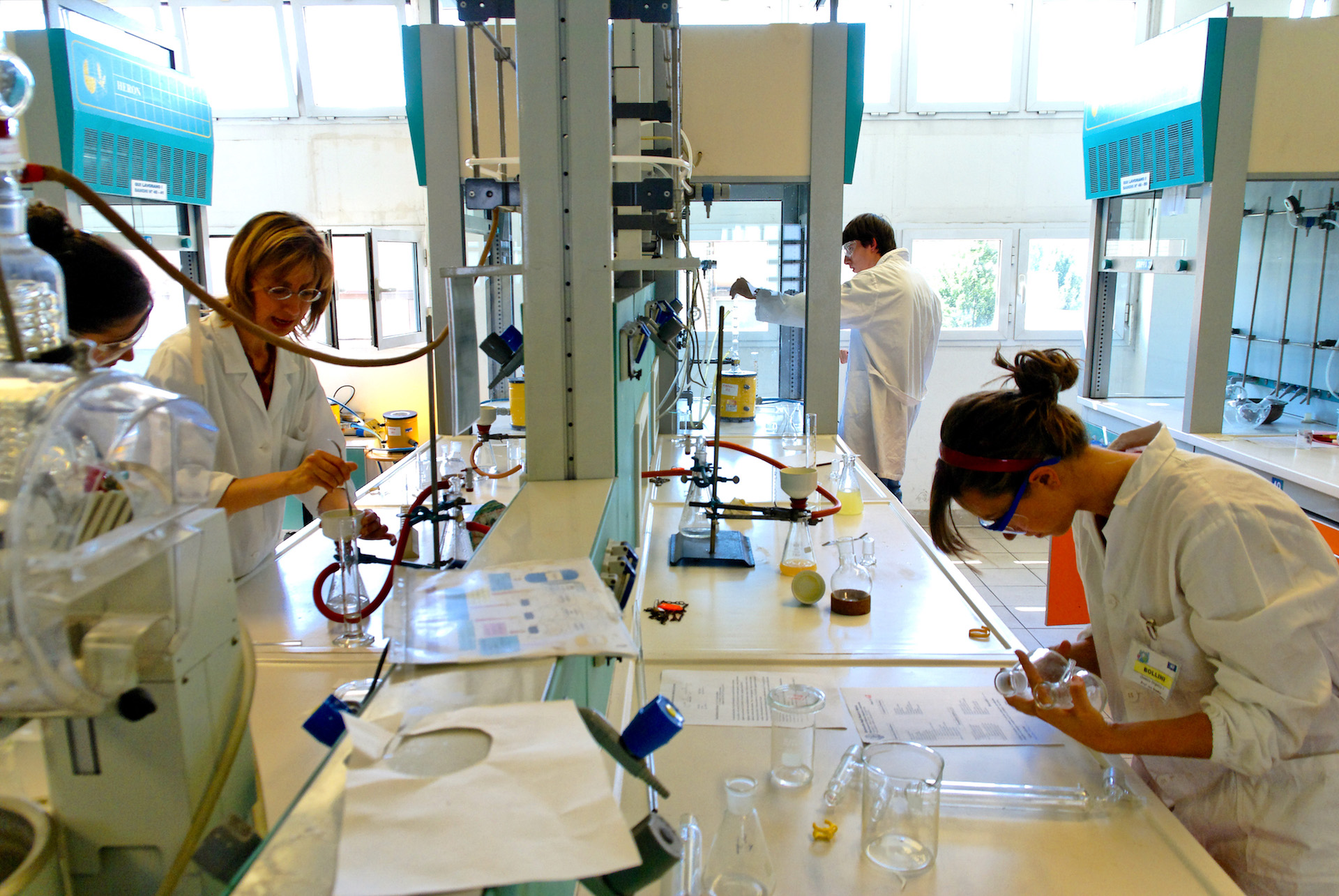
The Degree Course in Biotechnology aims to provide bachelor students with solid basic knowledge and practical skills in the different fields of biotechnology, favoring interdisciplinary approaches and proposing the study of a range of modern molecular biotechnologies used in the agro-food, environmental, industrial, pharmaceutical and veterinary fields. Notions in bioethics, patenting and legislation, fundraising and management will be also provided. Innovation is the driving force of this course since in a sector in rapid and active development like this, continuous and efficient updating is necessary to keep pace with the rapid increase in scientific knowledge.
The graduate in Biotechnology will be able to fit into numerous professional contexts including: the agri-food industry, the animal feed and plant production sector, the pharmaceutical industry, the chemical industry, the cosmetic industry and scientific information , the industry and services for environmental biotechnology, reproductive biotechnology laboratories, both in the medical and veterinary fields, biotechnological service centers for the applications of information technology to genomics and proteomics, universities and research laboratories of public and private institutions , certification bodies, structures of the National Health System. Health regulatory agencies and national and international agencies for patent regulations for the exploitation of biotechnological products, including study centers for toxicological and environmental detection are also open sectors for the biotechnologists.
The specific roles and professions of the graduate in Biotechnology, based on the nomenclature and classification drawn up by ISTAT (2012), are identified by the following codes:
- Biochemical laboratory technicians (3.2.2.3.1)
- Food technicians (3.2.2.2.2)
- Agronomist and forestry technicians (3.2.2.1)
- Veterinary laboratory technicians (3.2.2.3.3)
- Zootechnicians (3.2.2.)
The degree course allows you to qualify for the following regulated professions:
- Agricultural biotechnologist (Agri-food curriculum)
- Junior biologist
- Medical-scientific informant (Pharmaceutical curriculum)
Employment statistics (Almalaurea)
The specific roles and professions of the graduate in Biotechnology, based on the nomenclature and classification drawn up by ISTAT (2012), are identified by the following codes:
- Biochemical laboratory technicians (3.2.2.3.1)
- Food technicians (3.2.2.2.2)
- Agronomist and forestry technicians (3.2.2.1)
- Veterinary laboratory technicians (3.2.2.3.3)
- Zootechnicians (3.2.2.)
The degree course allows you to qualify for the following regulated professions:
- Agricultural biotechnologist (Agri-food curriculum)
- Junior biologist
- Medical-scientific informant (Pharmaceutical curriculum)
Employment statistics (Almalaurea)
Il corso di laurea in Biotecnologia ha accesso limitato secondo le disposizioni previste dalla Legge 2 Agosto 1999, n. 264. Possono essere ammessi al corso di Laurea candidati in possesso del diploma di scuola media superiore o di titolo estero equipollente ai sensi del D.M. 22 ottobre 2004 n.270.
Ai fini dell'ammissione è necessario sostenere un test di ingresso volto ad accertare l'attitudine e la preparazione iniziale.
MODALITÀ DI VERIFICA DELLE CONOSCENZE
Il test per l'accesso al corso di laurea in Biotecnologia è il TOLC-S, un test online erogato dal CISIA (https://www.cisiaonline.it/), Consorzio Interuniversitario Sistemi Integrati per l'Accesso, che dovrà essere sostenuto prima dell'immatricolazione.
Il TOLC-S si compone di quattro sezioni, con quesiti di Matematica di Base, Ragionamento e Problemi, Comprensione del Testo, Scienze di Base, con un grado di approfondimento pari a quello derivante dalla preparazione della Scuola Media Superiore.
Struttura e argomenti della prova: https://www.cisiaonline.it/area-tematica-tolc-scienze/struttura-della-prova-e-syllabus/.
Nel TOLC è presente una sezione aggiuntiva di Inglese il cui esito non influisce sulla graduatoria di merito, né sostituisce l'accertamento della conoscenza della lingua inglese richiesto dal corso di laurea per l'acquisizione dei relativi crediti (si veda il paragrafo "Prove di lingua"), ma costituisce un'autovalutazione per lo studente.
Il TOLC-S può essere sostenuto presso l'Università degli Studi di Milano o una qualsiasi altra sede tra quelle indicate nel calendario disponibile alla pagina https://tolc.cisiaonline.it/calendario.php.
Procedure di iscrizione e scadenze saranno indicate nel bando di concorso che verrà pubblicato sul sito di Ateneo alla pagina https://www.unimi.it/it/studiare/immatricolarsi-e-iscriversi.
Potranno immatricolarsi al Corso di Laurea in Biotecnologia soltanto gli studenti utilmente collocati nella graduatoria di merito.
OBBLIGHI FORMATIVI AGGIUNTIVI E MODALITÀ PER IL RECUPERO OFA
Alle matricole che nel modulo di Matematica di base del TOLC-S non raggiungano un punteggio maggiore o uguale a 11 saranno assegnati Obblighi Formativi Aggiuntivi (OFA). Per gli studenti con OFA verranno organizzate attività di supporto nel periodo ottobre-dicembre, seguite da una prova di recupero con la quale lo studente dovrà dimostrare di aver migliorato la propria preparazione. In assenza di questa evidenza lo studente non potrà sostenere alcun esame del secondo anno prima di aver superato l'esame di Matematica.
TRASFERIMENTI
In caso di trasferimento da altro corso di laurea o da altro Ateneo, l'ammissione ad anni successivi al primo, previo superamento del test d'ingresso, sarà subordinata alla valutazione della carriera pregressa da parte del Collegio Didattico e al limite di iscrizioni per il singolo anno programmato a livello del corso di studio.
Ai fini dell'ammissione è necessario sostenere un test di ingresso volto ad accertare l'attitudine e la preparazione iniziale.
MODALITÀ DI VERIFICA DELLE CONOSCENZE
Il test per l'accesso al corso di laurea in Biotecnologia è il TOLC-S, un test online erogato dal CISIA (https://www.cisiaonline.it/), Consorzio Interuniversitario Sistemi Integrati per l'Accesso, che dovrà essere sostenuto prima dell'immatricolazione.
Il TOLC-S si compone di quattro sezioni, con quesiti di Matematica di Base, Ragionamento e Problemi, Comprensione del Testo, Scienze di Base, con un grado di approfondimento pari a quello derivante dalla preparazione della Scuola Media Superiore.
Struttura e argomenti della prova: https://www.cisiaonline.it/area-tematica-tolc-scienze/struttura-della-prova-e-syllabus/.
Nel TOLC è presente una sezione aggiuntiva di Inglese il cui esito non influisce sulla graduatoria di merito, né sostituisce l'accertamento della conoscenza della lingua inglese richiesto dal corso di laurea per l'acquisizione dei relativi crediti (si veda il paragrafo "Prove di lingua"), ma costituisce un'autovalutazione per lo studente.
Il TOLC-S può essere sostenuto presso l'Università degli Studi di Milano o una qualsiasi altra sede tra quelle indicate nel calendario disponibile alla pagina https://tolc.cisiaonline.it/calendario.php.
Procedure di iscrizione e scadenze saranno indicate nel bando di concorso che verrà pubblicato sul sito di Ateneo alla pagina https://www.unimi.it/it/studiare/immatricolarsi-e-iscriversi.
Potranno immatricolarsi al Corso di Laurea in Biotecnologia soltanto gli studenti utilmente collocati nella graduatoria di merito.
OBBLIGHI FORMATIVI AGGIUNTIVI E MODALITÀ PER IL RECUPERO OFA
Alle matricole che nel modulo di Matematica di base del TOLC-S non raggiungano un punteggio maggiore o uguale a 11 saranno assegnati Obblighi Formativi Aggiuntivi (OFA). Per gli studenti con OFA verranno organizzate attività di supporto nel periodo ottobre-dicembre, seguite da una prova di recupero con la quale lo studente dovrà dimostrare di aver migliorato la propria preparazione. In assenza di questa evidenza lo studente non potrà sostenere alcun esame del secondo anno prima di aver superato l'esame di Matematica.
TRASFERIMENTI
In caso di trasferimento da altro corso di laurea o da altro Ateneo, l'ammissione ad anni successivi al primo, previo superamento del test d'ingresso, sarà subordinata alla valutazione della carriera pregressa da parte del Collegio Didattico e al limite di iscrizioni per il singolo anno programmato a livello del corso di studio.
The study opportunities within the ERASMUS + Program, the specific participation rules and the selection criteria for students are described in the announcements that the University generally publishes in January, and are illustrated during specific meetings advertised on the Degree Course and the University websites. Agreements have been signed with several universities, distributed throughout Europe (for a total of 13 countries), mainly in Spain, Germany, France, Holland, Belgium and the United Kingdom, selected on the basis of didactic and scientific relevance.
The aim of mobility is to carry out training activities abroad to replace a part of your study plan, including the internship. Thus, all the activities that can be carried out abroad should be related to the topics and areas of study covered by the curricula on which the Degree Course is structured.
The planning of the study program (Learning Agreement, LA) must be prepared in collaboration with the Erasmus Coordinator, both for the choice of exams and the organization of traineeships. The program must include activities for a number of ECTS proportional to the length of the stay, in accordance with the general rules of the University of Milan.
To carry out any experimental activity that will be the whole internship, or part of it, both an acceptance letter from the hosting lab and from an internal teacher who will act as tutor and / or supervisor (Relatore) are required. These letters must be sent to the ERASMUS Manager at the time of writing the LA.
All activities will be validated in the student's career, as long as they are completed with positive results (achievement of at least 70% of the credits planned by the LA) and certified by the host university at the end of the student's stay. The Interdepartmental Teaching Board will decide on the recognition of the credits and marks of the exams taken on the basis of a predefined conversion scale.
In addition, the participation to the Erasmus + programs will be taken into account in the final definition of the graduation mark, in accordance to the extension and quality of the period spent abroad.
The aim of mobility is to carry out training activities abroad to replace a part of your study plan, including the internship. Thus, all the activities that can be carried out abroad should be related to the topics and areas of study covered by the curricula on which the Degree Course is structured.
The planning of the study program (Learning Agreement, LA) must be prepared in collaboration with the Erasmus Coordinator, both for the choice of exams and the organization of traineeships. The program must include activities for a number of ECTS proportional to the length of the stay, in accordance with the general rules of the University of Milan.
To carry out any experimental activity that will be the whole internship, or part of it, both an acceptance letter from the hosting lab and from an internal teacher who will act as tutor and / or supervisor (Relatore) are required. These letters must be sent to the ERASMUS Manager at the time of writing the LA.
All activities will be validated in the student's career, as long as they are completed with positive results (achievement of at least 70% of the credits planned by the LA) and certified by the host university at the end of the student's stay. The Interdepartmental Teaching Board will decide on the recognition of the credits and marks of the exams taken on the basis of a predefined conversion scale.
In addition, the participation to the Erasmus + programs will be taken into account in the final definition of the graduation mark, in accordance to the extension and quality of the period spent abroad.
La frequenza è fortemente consigliata per le lezioni frontali e obbligatoria per i laboratori.
Courses list
First semester
| Courses or activities | Max ECTS | Total hours | Language | SSD |
|---|---|---|---|---|
| Compulsory | ||||
| General and Inorganic Chemistry | 8 | 88 | Italian | CHIM/03 |
| General E Cellular Biology | 10 | 88 | Italian | BIO/13 |
| Mathematics for Biotechnology | 6 | 72 | Italian | MAT/01 MAT/02 MAT/03 MAT/04 MAT/05 MAT/06 MAT/07 MAT/08 MAT/09 |
Second semester
| Courses or activities | Max ECTS | Total hours | Language | SSD |
|---|---|---|---|---|
| Compulsory | ||||
| Genetics | 8 | 76 | English | AGR/07 BIO/18 |
| Genetics | 8 | 76 | Italian | AGR/07 BIO/18 |
| Informatics and Statistics for Biotechnologies (common) | 6 | 48 | Italian | FIS/01 FIS/02 FIS/03 FIS/04 FIS/05 FIS/06 FIS/07 FIS/08 INF/01 MAT/01 MAT/02 MAT/03 MAT/04 MAT/05 MAT/06 MAT/07 MAT/08 MAT/09 SECS-S/01 SECS-S/02 |
| - Informatics | 3 | 24 | FIS/01,FIS/02,FIS/03,FIS/04,FIS/05,FIS/06,FIS/07,FIS/08,INF/01,MAT/01,MAT/02,MAT/03,MAT/04,MAT/05,MAT/06,MAT/07,MAT/08,MAT/09,SECS-S/01,SECS-S/02 | |
| - Statistics | 3 | 24 | FIS/01,FIS/02,FIS/03,FIS/04,FIS/05,FIS/06,FIS/07,FIS/08,INF/01,MAT/01,MAT/02,MAT/03,MAT/04,MAT/05,MAT/06,MAT/07,MAT/08,MAT/09,SECS-S/01,SECS-S/02 | |
| Organic Chemistry | 8 | 88 | Italian | CHIM/06 |
| Physics | 6 | 60 | Italian | FIS/01 FIS/02 FIS/03 FIS/04 FIS/05 FIS/06 FIS/07 FIS/08 |
Open sessions
There are no specific sessions for these activities.
| Courses or activities | Max ECTS | Total hours | Language | SSD |
|---|---|---|---|---|
| Compulsory | ||||
| English Assessment B1 (1 ECTS) | 1 | 0 | Italian | |
First semester
| Courses or activities | Max ECTS | Total hours | Language | SSD |
|---|---|---|---|---|
| Compulsory | ||||
| Biochemistry | 9 | 80 | Italian | BIO/10 |
| Fundamentals of Economy and Bioethics | 6 | 56 | Italian | AGR/01 IUS/01 IUS/04 MED/02 SECS-P/06 |
| - Unità didattica: Bioetica | 2 | 16 | AGR/01,IUS/01,IUS/04,MED/02,SECS-P/06 | |
| - Unità didattica: Elementi di economia | 4 | 40 | AGR/01,IUS/01,IUS/04,MED/02,SECS-P/06 | |
| General Microbiology | 9 | 80 | Italian | BIO/19 |
| Molecular Biology | 9 | 72 | Italian | BIO/11 |
Second semester
| Courses or activities | Max ECTS | Total hours | Language | SSD |
|---|---|---|---|---|
| Compulsory | ||||
| Applied Molecular Biotechnologies | 11 | 112 | Italian | BIO/10 |
| - Molecular food biotechnologies | 5 | 40 | BIO/10 | |
| - Molecular methodologies | 6 | 72 | BIO/10 | |
| Botany and Cropping Systems | 9 | 84 | Italian | AGR/02 AGR/04 BIO/01 |
| - Agronomy | 3 | 28 | AGR/02,AGR/04,BIO/01 | |
| - Botany | 3 | 28 | AGR/02,AGR/04,BIO/01 | |
| - Cropping systems | 3 | 28 | AGR/02,AGR/04,BIO/01 | |
| Chemistry and Biochemistry of Agri-Food Molecules | 8 | 72 | Italian | BIO/10 CHIM/06 |
| - Biochemistry of Agri-Food Molecules | 5 | 44 | BIO/10,CHIM/06 | |
| - Chemistry of Agri-Food Molecules | 3 | 28 | BIO/10,CHIM/06 | |
| Plant Physiology and Biochemistry | 7 | 64 | Italian | AGR/13 |
be activated by the A.Y. 2021/2022
First semester
| Courses or activities | Max ECTS | Total hours | Language | SSD |
|---|---|---|---|---|
| Compulsory | ||||
| Biotechnology for Plant Protection | 10 | 96 | Italian | AGR/11 AGR/12 |
| - Entomology | 5 | 48 | AGR/11,AGR/12 | |
| - Plant pathology | 5 | 48 | AGR/11,AGR/12 | |
| In Vitro Plant Breeding | 5 | 44 | Italian | AGR/03 |
| Plant Genomics and Breeding | 11 | 104 | Italian | AGR/07 |
| - Unità didattica: Genetica e genomica vegetale | 6 | 56 | AGR/07 | |
| - Unità didattica: Miglioramento genetico avanzato | 5 | 48 | AGR/07 | |
Second semester
| Courses or activities | Max ECTS | Total hours | Language | SSD |
|---|---|---|---|---|
| Compulsory | ||||
| Careers in Biotechnology | 2 | 16 | Italian | |
| Microbial Agrobiotechnology | 6 | 56 | Italian | AGR/16 |
Conclusive activities
There are no specific sessions for these activities.
| Courses or activities | Max ECTS | Total hours | Language | SSD |
|---|---|---|---|---|
| Compulsory | ||||
| Lab Training | 8 | 0 | Italian | |
| Final Exam | 5 | 0 | Italian | |
Study plan rules
- Lo studente deve acquisire 12 crediti a scelta.
The students have to successfully complete the propaedeutic exams listed in column 1, before those listed in column 2 of the following table.
In the event that the list of propaedeutic exams changes, the students will have to comply with the list approved in the previous Academic Year
In the event that the list of propaedeutic exams changes, the students will have to comply with the list approved in the previous Academic Year
First semester
| Courses or activities | Max ECTS | Total hours | Language | SSD |
|---|---|---|---|---|
| Compulsory | ||||
| General and Inorganic Chemistry | 8 | 88 | Italian | CHIM/03 |
| General E Cellular Biology | 10 | 88 | Italian | BIO/13 |
| Mathematics for Biotechnology | 6 | 72 | Italian | MAT/01 MAT/02 MAT/03 MAT/04 MAT/05 MAT/06 MAT/07 MAT/08 MAT/09 |
Second semester
| Courses or activities | Max ECTS | Total hours | Language | SSD |
|---|---|---|---|---|
| Compulsory | ||||
| Genetics | 8 | 76 | Italian | AGR/07 BIO/18 |
| Genetics | 8 | 76 | English | AGR/07 BIO/18 |
| Informatics and Statistics for Biotechnologies (common) | 6 | 48 | Italian | FIS/01 FIS/02 FIS/03 FIS/04 FIS/05 FIS/06 FIS/07 FIS/08 INF/01 MAT/01 MAT/02 MAT/03 MAT/04 MAT/05 MAT/06 MAT/07 MAT/08 MAT/09 SECS-S/01 SECS-S/02 |
| - Informatics | 3 | 24 | FIS/01,FIS/02,FIS/03,FIS/04,FIS/05,FIS/06,FIS/07,FIS/08,INF/01,MAT/01,MAT/02,MAT/03,MAT/04,MAT/05,MAT/06,MAT/07,MAT/08,MAT/09,SECS-S/01,SECS-S/02 | |
| - Statistics | 3 | 24 | FIS/01,FIS/02,FIS/03,FIS/04,FIS/05,FIS/06,FIS/07,FIS/08,INF/01,MAT/01,MAT/02,MAT/03,MAT/04,MAT/05,MAT/06,MAT/07,MAT/08,MAT/09,SECS-S/01,SECS-S/02 | |
| Organic Chemistry | 8 | 88 | Italian | CHIM/06 |
| Physics | 6 | 60 | Italian | FIS/01 FIS/02 FIS/03 FIS/04 FIS/05 FIS/06 FIS/07 FIS/08 |
Open sessions
There are no specific sessions for these activities.
| Courses or activities | Max ECTS | Total hours | Language | SSD |
|---|---|---|---|---|
| Compulsory | ||||
| English Assessment B1 (1 ECTS) | 1 | 0 | Italian | |
First semester
| Courses or activities | Max ECTS | Total hours | Language | SSD |
|---|---|---|---|---|
| Compulsory | ||||
| Biochemistry | 9 | 80 | Italian | BIO/10 |
| Fundamentals of Economy and Bioethics | 6 | 56 | Italian | AGR/01 IUS/01 IUS/04 MED/02 SECS-P/06 |
| - Unità didattica: Bioetica | 2 | 16 | AGR/01,IUS/01,IUS/04,MED/02,SECS-P/06 | |
| - Unità didattica: Elementi di economia | 4 | 40 | AGR/01,IUS/01,IUS/04,MED/02,SECS-P/06 | |
| General Microbiology | 9 | 80 | Italian | BIO/19 |
| Molecular Biology | 9 | 72 | Italian | BIO/11 |
Second semester
| Courses or activities | Max ECTS | Total hours | Language | SSD |
|---|---|---|---|---|
| Compulsory | ||||
| Animal Physiology and Assisted Reproduction | 9 | 96 | Italian | VET/02 VET/10 |
| - Animal physiology | 6 | 56 | VET/02,VET/10 | |
| - Assisted reproduction | 3 | 40 | VET/02,VET/10 | |
| Comparative and Laboratory Animal Pathology | 7 | 64 | Italian | VET/03 |
| Development, Morphology and Function of Organs and Systems | 8 | 92 | Italian | VET/01 |
| Veterinary Microbiology and Immunology | 6 | 64 | Italian | VET/05 |
| - Unità didattica: Immunologia | 4 | 40 | VET/05 | |
| - Unità didattica: Microbiologia Veterinaria | 2 | 24 | VET/05 | |
be activated by the A.Y. 2021/2022
year
| Courses or activities | Max ECTS | Total hours | Language | SSD |
|---|---|---|---|---|
| Compulsory | ||||
| Biotechnology Applied to Animal Nutrition and Animal Origin Food | 12 | 136 | Italian | AGR/18 VET/04 |
| - Animal nutrition | 6 | 72 | AGR/18 | |
| - Food of animal origin | 6 | 64 | VET/04 | |
First semester
| Courses or activities | Max ECTS | Total hours | Language | SSD |
|---|---|---|---|---|
| Compulsory | ||||
| Infectious and Parasitic Diseases | 10 | 96 | Italian | VET/05 VET/06 |
| - Infection diseases and zoonosis | 5 | 48 | VET/05,VET/06 | |
| - Molecular parasitology and parasitic diseases | 5 | 48 | VET/05,VET/06 | |
| Veterinary Pharmacology and Biotechnology Law | 9 | 88 | Italian | VET/07 VET/08 |
| - Biotechnology law and patents | 3 | 32 | VET/07,VET/08 | |
| - Veterinary Pharmacology and Toxicology | 6 | 56 | VET/07,VET/08 | |
Second semester
| Courses or activities | Max ECTS | Total hours | Language | SSD |
|---|---|---|---|---|
| Compulsory | ||||
| Molecular Genetics and Animal Models | 8 | 88 | Italian | AGR/17 AGR/20 |
| - Management of laboratory animals | 3 | 32 | AGR/17,AGR/20 | |
| - Molecular genetics in domestic animals | 5 | 56 | AGR/17,AGR/20 | |
Conclusive activities
There are no specific sessions for these activities.
| Courses or activities | Max ECTS | Total hours | Language | SSD |
|---|---|---|---|---|
| Compulsory | ||||
| Lab Training | 8 | 0 | Italian | |
| Final Exam | 5 | 0 | Italian | |
Study plan rules
- Lo studente deve acquisire 12 crediti a scelta.
The students have to successfully complete the propaedeutic exams listed in column 1, before those listed in column 2 of the following table.
In the event that the list of propaedeutic exams changes, the students will have to comply with the list approved in the previous Academic Year
In the event that the list of propaedeutic exams changes, the students will have to comply with the list approved in the previous Academic Year
First semester
| Courses or activities | Max ECTS | Total hours | Language | SSD |
|---|---|---|---|---|
| Compulsory | ||||
| General and Inorganic Chemistry | 8 | 88 | Italian | CHIM/03 |
| General E Cellular Biology | 10 | 88 | Italian | BIO/13 |
| Mathematics for Biotechnology | 6 | 72 | Italian | MAT/01 MAT/02 MAT/03 MAT/04 MAT/05 MAT/06 MAT/07 MAT/08 MAT/09 |
Second semester
| Courses or activities | Max ECTS | Total hours | Language | SSD |
|---|---|---|---|---|
| Compulsory | ||||
| Genetics | 8 | 76 | English | AGR/07 BIO/18 |
| Genetics | 8 | 76 | Italian | AGR/07 BIO/18 |
| Informatics and Statistics for Biotechnologies (common) | 6 | 48 | Italian | FIS/01 FIS/02 FIS/03 FIS/04 FIS/05 FIS/06 FIS/07 FIS/08 INF/01 MAT/01 MAT/02 MAT/03 MAT/04 MAT/05 MAT/06 MAT/07 MAT/08 MAT/09 SECS-S/01 SECS-S/02 |
| - Informatics | 3 | 24 | FIS/01,FIS/02,FIS/03,FIS/04,FIS/05,FIS/06,FIS/07,FIS/08,INF/01,MAT/01,MAT/02,MAT/03,MAT/04,MAT/05,MAT/06,MAT/07,MAT/08,MAT/09,SECS-S/01,SECS-S/02 | |
| - Statistics | 3 | 24 | FIS/01,FIS/02,FIS/03,FIS/04,FIS/05,FIS/06,FIS/07,FIS/08,INF/01,MAT/01,MAT/02,MAT/03,MAT/04,MAT/05,MAT/06,MAT/07,MAT/08,MAT/09,SECS-S/01,SECS-S/02 | |
| Organic Chemistry | 8 | 88 | Italian | CHIM/06 |
| Physics | 6 | 60 | Italian | FIS/01 FIS/02 FIS/03 FIS/04 FIS/05 FIS/06 FIS/07 FIS/08 |
Open sessions
There are no specific sessions for these activities.
| Courses or activities | Max ECTS | Total hours | Language | SSD |
|---|---|---|---|---|
| Compulsory | ||||
| English Assessment B1 (1 ECTS) | 1 | 0 | Italian | |
Over several sessions
These activities are scheduled over several sessions. Please refer to course overviews for details.
| Courses or activities | Max ECTS | Total hours | Language | SSD |
|---|---|---|---|---|
| Compulsory | ||||
| Analytical Methods for Pharmaceutical Biotechnologies | 7 | 64 | Italian | CHIM/01 CHIM/08 |
| - BIOPHARMACEUTICAL ANALYSIS | 3 | 24 | CHIM/01,CHIM/08 | |
| - ELEMENTS OF ANALYTICAL AND INSTRUMENTAL CHEMISTRY | 4 | 40 | CHIM/01,CHIM/08 | |
First semester
| Courses or activities | Max ECTS | Total hours | Language | SSD |
|---|---|---|---|---|
| Compulsory | ||||
| Biochemistry | 9 | 80 | Italian | BIO/10 |
| Fundamentals of Economy and Bioethics | 6 | 56 | Italian | AGR/01 IUS/01 IUS/04 MED/02 SECS-P/06 |
| - Unità didattica: Bioetica | 2 | 16 | AGR/01,IUS/01,IUS/04,MED/02,SECS-P/06 | |
| - Unità didattica: Elementi di economia | 4 | 40 | AGR/01,IUS/01,IUS/04,MED/02,SECS-P/06 | |
| General Microbiology | 9 | 80 | Italian | BIO/19 |
| Molecular Biology | 9 | 72 | Italian | BIO/11 |
Second semester
| Courses or activities | Max ECTS | Total hours | Language | SSD |
|---|---|---|---|---|
| Compulsory | ||||
| Human Physiology and Basic Anatomy | 10 | 80 | Italian | BIO/09 |
| - Histology and cell physiology | 4 | 32 | BIO/09 | |
| - Human physiology and basic anatomy | 6 | 48 | BIO/09 | |
| Methods in Cell Biology and Biochemistry | 7 | 84 | Italian | BIO/10 BIO/13 |
| - Unità didattica: Metodologie biochimiche | 3.5 | 44 | BIO/10,BIO/13 | |
| - Unità didattica: Metodologie cellulari | 3.5 | 40 | BIO/10,BIO/13 | |
| Pharmacology | 8 | 64 | Italian | BIO/14 |
| - General pharmacology | 4 | 32 | BIO/14 | |
| - Molecular and Cellular Pharmacology | 4 | 32 | BIO/14 | |
be activated by the A.Y. 2021/2022
First semester
| Courses or activities | Max ECTS | Total hours | Language | SSD |
|---|---|---|---|---|
| Compulsory | ||||
| Generale Pathology, Immunology and Medical Microbiology | 11 | 96 | Italian | MED/04 MED/07 |
| - Unità didattica: Microbiologia medica | 3 | 24 | MED/04,MED/07 | |
| - Unità didattica: Patologia generale e immunologia | 8 | 72 | MED/04,MED/07 | |
| Medicinal Chemistry and Bioprocesses | 10 | 80 | Italian | CHIM/08 CHIM/11 |
| - Bioprocesses for drug preparation | 4 | 32 | CHIM/08,CHIM/11 | |
| - Medicinal Chemistry | 6 | 48 | CHIM/08,CHIM/11 | |
| Pharmacological and Toxicological Biotechnology | 10 | 88 | Italian | BIO/14 |
| - Methods in pharmacology | 3 | 32 | BIO/14 | |
| - Pharmacology and pharmacotherapy | 4 | 32 | BIO/14 | |
| - Toxicology | 3 | 24 | BIO/14 | |
Second semester
| Courses or activities | Max ECTS | Total hours | Language | SSD |
|---|---|---|---|---|
| Compulsory | ||||
| Pharmaceutical Technology and Legislation of Biotechnological Medicinal Products | 6 | 56 | Italian | CHIM/09 |
Conclusive activities
There are no specific sessions for these activities.
| Courses or activities | Max ECTS | Total hours | Language | SSD |
|---|---|---|---|---|
| Compulsory | ||||
| Lab Training | 8 | 0 | Italian | |
| Final Exam | 5 | 0 | Italian | |
Study plan rules
- Lo studente deve acquisire 12 crediti a scelta.
The students have to successfully complete the propaedeutic exams listed in column 1, before those listed in column 2 of the following table.
In the event that the list of propaedeutic exams changes, the students will have to comply with the list approved in the previous Academic Year
In the event that the list of propaedeutic exams changes, the students will have to comply with the list approved in the previous Academic Year
First semester
| Courses or activities | Max ECTS | Total hours | Language | SSD |
|---|---|---|---|---|
| Compulsory | ||||
| General and Inorganic Chemistry | 8 | 88 | Italian | CHIM/03 |
| General E Cellular Biology | 10 | 88 | Italian | BIO/13 |
| Mathematics for Biotechnology | 6 | 72 | Italian | MAT/01 MAT/02 MAT/03 MAT/04 MAT/05 MAT/06 MAT/07 MAT/08 MAT/09 |
Second semester
| Courses or activities | Max ECTS | Total hours | Language | SSD |
|---|---|---|---|---|
| Compulsory | ||||
| Genetics | 8 | 76 | English | AGR/07 BIO/18 |
| Genetics | 8 | 76 | Italian | AGR/07 BIO/18 |
| Informatics and Statistics for Biotechnologies (common) | 6 | 48 | Italian | FIS/01 FIS/02 FIS/03 FIS/04 FIS/05 FIS/06 FIS/07 FIS/08 INF/01 MAT/01 MAT/02 MAT/03 MAT/04 MAT/05 MAT/06 MAT/07 MAT/08 MAT/09 SECS-S/01 SECS-S/02 |
| - Informatics | 3 | 24 | FIS/01,FIS/02,FIS/03,FIS/04,FIS/05,FIS/06,FIS/07,FIS/08,INF/01,MAT/01,MAT/02,MAT/03,MAT/04,MAT/05,MAT/06,MAT/07,MAT/08,MAT/09,SECS-S/01,SECS-S/02 | |
| - Statistics | 3 | 24 | FIS/01,FIS/02,FIS/03,FIS/04,FIS/05,FIS/06,FIS/07,FIS/08,INF/01,MAT/01,MAT/02,MAT/03,MAT/04,MAT/05,MAT/06,MAT/07,MAT/08,MAT/09,SECS-S/01,SECS-S/02 | |
| Organic Chemistry | 8 | 88 | Italian | CHIM/06 |
| Physics | 6 | 60 | Italian | FIS/01 FIS/02 FIS/03 FIS/04 FIS/05 FIS/06 FIS/07 FIS/08 |
Open sessions
There are no specific sessions for these activities.
| Courses or activities | Max ECTS | Total hours | Language | SSD |
|---|---|---|---|---|
| Compulsory | ||||
| English Assessment B1 (1 ECTS) | 1 | 0 | Italian | |
First semester
| Courses or activities | Max ECTS | Total hours | Language | SSD |
|---|---|---|---|---|
| Compulsory | ||||
| Biochemistry | 9 | 80 | Italian | BIO/10 |
| Fundamentals of Economy and Bioethics | 6 | 56 | Italian | AGR/01 IUS/01 IUS/04 MED/02 SECS-P/06 |
| - Unità didattica: Bioetica | 2 | 16 | AGR/01,IUS/01,IUS/04,MED/02,SECS-P/06 | |
| - Unità didattica: Elementi di economia | 4 | 40 | AGR/01,IUS/01,IUS/04,MED/02,SECS-P/06 | |
| General Microbiology | 9 | 80 | Italian | BIO/19 |
| Molecular Biology | 9 | 72 | Italian | BIO/11 |
Second semester
| Courses or activities | Max ECTS | Total hours | Language | SSD |
|---|---|---|---|---|
| Compulsory | ||||
| Animal Cell Biotechnology | 6 | 48 | Italian | BIO/13 BIO/17 |
| Chemical Methods for Biotechnology | 8 | 88 | Italian | CHIM/02 CHIM/06 |
| Fermentation Biotechnology | 6 | 56 | Italian | BIO/11 BIO/18 CHIM/11 |
| Plant Biology and Physiology | 8 | 72 | Italian | BIO/01 BIO/04 BIO/18 |
be activated by the A.Y. 2021/2022
year
| Courses or activities | Max ECTS | Total hours | Language | SSD |
|---|---|---|---|---|
| Compulsory | ||||
| Biochemistry and Molecular Biology: Applications in Biotechnology | 12 | 112 | Italian | BIO/10 BIO/11 |
| - Methods in Biochemistry | 6 | 56 | BIO/10,BIO/11 | |
| - Methods in Molecular Biology | 6 | 56 | BIO/10,BIO/11 | |
| Bioinformatics and Computational Biology | 12 | 96 | Italian | BIO/10 BIO/11 INF/01 |
| - Bioinformatics | 6 | 48 | INF/01 | |
| - Computational Biology | 6 | 48 | BIO/10,BIO/11,INF/01 | |
First semester
| Courses or activities | Max ECTS | Total hours | Language | SSD |
|---|---|---|---|---|
| Compulsory | ||||
| Microbial Biotechnology | 6 | 56 | Italian | BIO/18 BIO/19 |
| Plant Industrial Biotechnology | 9 | 80 | Italian | AGR/07 BIO/18 |
Second semester
| Courses or activities | Max ECTS | Total hours | Language | SSD |
|---|---|---|---|---|
| Compulsory | ||||
| Careers in Biotechnology | 2 | 16 | Italian | |
Conclusive activities
There are no specific sessions for these activities.
| Courses or activities | Max ECTS | Total hours | Language | SSD |
|---|---|---|---|---|
| Compulsory | ||||
| Lab Training | 8 | 0 | Italian | |
| Final Exam | 5 | 0 | Italian | |
Study plan rules
- Lo studente deve acquisire 12 crediti a scelta.
The students have to successfully complete the propaedeutic exams listed in column 1, before those listed in column 2 of the following table.
In the event that the list of propaedeutic exams changes, the students will have to comply with the list approved in the previous Academic Year
In the event that the list of propaedeutic exams changes, the students will have to comply with the list approved in the previous Academic Year
Course location
Milano
Laboratories locations
Il corso di laurea è caratterizzato da un'intensa attività di laboratorio. I corsi di laboratorio sono obbligatori e devono essere frequentati nell'anno di competenza. Durante le lezioni pratiche vengono fornite le necessarie norme di sicurezza e di corretto comportamento in laboratorio.
Reference structures
Contacts
- Responsabile Erasmus: Prof. Alessio Scarafoni
Via Celoria, 2
[email protected]
+3902503 16820
Ricevimento studenti: libero c/o palazzina ex DISMA, 1° piano - Studenti disabili e DSA: Prof.ssa Elena Crotti
Via Mangiagalli, 25
[email protected]
+3902503 19122
Ricevimento studenti: su appuntamento c/o DeFENS, via Mangiagalli 25, Milano - stanza 3023 - Commissione Didattica: Prof.ssa Marina Camera (Presidente), Prof.ssa Paolo Casati, Prof. Federico Lazzaro, Dr.ssa Lisa Vallone
[email protected]
Ricevimento studenti - Previo appuntamento c/o Segreteria Didattica Interdipartimentale Scienze del Farmaco e Biotecnologia, Via Golgi n. 19 - Segreteria Studenti
Via Celoria 18, Milano
https://www.unimi.it/it/node/359
+390250325032
https://www.unimi.it/it/node/360
A.Y. 2026/2027
A.Y. 2025/2026
A.Y. 2024/2025
A.Y. 2023/2024
A.Y. 2022/2023
A.Y. 2021/2022
A.Y. 2020/2021
Official documents