

Medicine and Surgery - Sacco Hospital Location (Classe LM-41)-Enrolled Since 2019/20 Academic Year
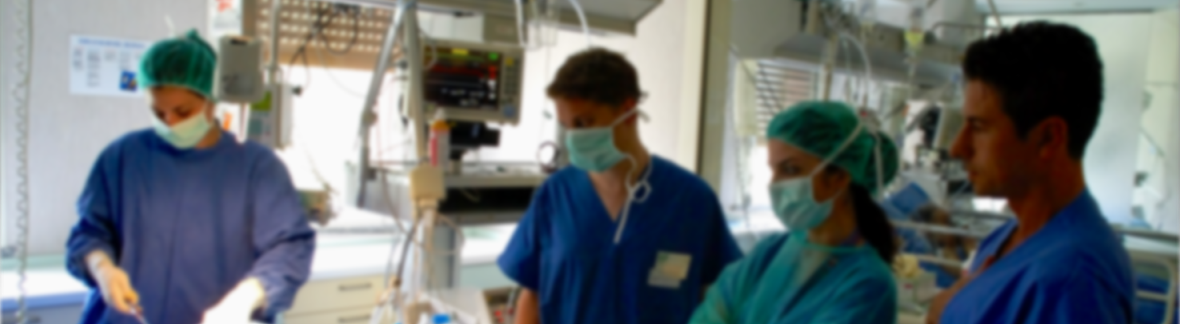
The Master's degree programme in Medicine contemplates 360 CFU overall, spread out over six years, of which 60 must be earned as part of coursework aimed at developing specific professional acumen. The programme is intended to provide the scientific bases, and the necessary practical skills and theory required under Directive 75/363/EEC to practice medicine, as well as the methodology and experience to engage in continuing medical education after graduation; it also instils professional, decision-making, and operational autonomy thanks to an educational programme that takes a holistic approach to the health of all persons, sick and well, and includes training in assessing the chemical-physical, biological, and social environment of the patient.
The specific objectives for the pre-clinical coursework are set, on a priority basis, based on the following criteria:
· relevance of each objective within the framework of human biology;
· the preparation provided by each objective in terms of specific clinical issues.
The specific objectives for the clinical coursework are set, on a priority basis, based on the following criteria:
· epidemiological prevalence, urgency of the care needed, possibility of providing care, severity, educational value;
· promoting clinical work through healthcare facilities, at least for the hospital wards;
· improving patient interactions, including the physician's bedside manner;
· assessing adverse events and any other issue relating to the use of medicine (Pharmacovigilance) to ensure a favourable risk/benefit ratio for the community;
· assessing gender-based differences (Gender Medicine), with the ultimate goal of ensuring all persons, whether male or female, receive the best possible care.
These objectives integrate the five Dublin descriptors (European descriptors) with those proposed by the International Medical Education (IIME) and the "The TUNING Project (Medicine) - Learning Outcomes/Competences for Undergraduate Medical Education in Europe". Furthermore, they align perfectly with the requirements of the "core curriculum" for the Master's degree in Medicine as proposed on a national level by the Conference of Italian Master's Degree Programme Presidents.
The specific objectives for the pre-clinical coursework are set, on a priority basis, based on the following criteria:
· relevance of each objective within the framework of human biology;
· the preparation provided by each objective in terms of specific clinical issues.
The specific objectives for the clinical coursework are set, on a priority basis, based on the following criteria:
· epidemiological prevalence, urgency of the care needed, possibility of providing care, severity, educational value;
· promoting clinical work through healthcare facilities, at least for the hospital wards;
· improving patient interactions, including the physician's bedside manner;
· assessing adverse events and any other issue relating to the use of medicine (Pharmacovigilance) to ensure a favourable risk/benefit ratio for the community;
· assessing gender-based differences (Gender Medicine), with the ultimate goal of ensuring all persons, whether male or female, receive the best possible care.
These objectives integrate the five Dublin descriptors (European descriptors) with those proposed by the International Medical Education (IIME) and the "The TUNING Project (Medicine) - Learning Outcomes/Competences for Undergraduate Medical Education in Europe". Furthermore, they align perfectly with the requirements of the "core curriculum" for the Master's degree in Medicine as proposed on a national level by the Conference of Italian Master's Degree Programme Presidents.
The degree in Medicine allows the graduate to sit for the State Exam to be licensed to practice medicine. Once the graduate has passed the exam, they can enrol in the professional association as a licensed, non-specialised physician. Licensed, non-specialised physicians are eligible for the Post-Graduate Programmes in Medicine and Medical Services (4-to-5-year programme) and the Internal Medicine Programme (3-year programme).
Licensed physicians can practice medicine in a variety of professional roles, whether through clinical practice, healthcare policy and management, or the biomedical sciences. Potential avenues for employment include:
a) becoming a National Health Service doctor, or working with a public or state agency (post-graduate degree in medicine required);
b) research in clinical or pre-clinical practice, as part of a university career, or through work with a research entity (a PhD is recommended);
c) working as a freelance professional (post-graduate degree required to practice as a specialist, as well as completion of a training programme in Internal Medicine to practice as a licensed, non-specialty physician).
The practice of medicine is regulated by Italian law.
Employment statistics (Almalaurea)
Licensed physicians can practice medicine in a variety of professional roles, whether through clinical practice, healthcare policy and management, or the biomedical sciences. Potential avenues for employment include:
a) becoming a National Health Service doctor, or working with a public or state agency (post-graduate degree in medicine required);
b) research in clinical or pre-clinical practice, as part of a university career, or through work with a research entity (a PhD is recommended);
c) working as a freelance professional (post-graduate degree required to practice as a specialist, as well as completion of a training programme in Internal Medicine to practice as a licensed, non-specialty physician).
The practice of medicine is regulated by Italian law.
Employment statistics (Almalaurea)
L'accesso al corso è programmato a livello nazionale ai sensi della Legge n.264 del 2.8.1999. L'ammissione al corso di laurea magistrale in Medicina e Chirurgia avviene attraverso una prova scritta (60 domande a risposta multipla, di cui una sola esatta), che si svolge nello stesso giorno su tutto il territorio nazionale per gli Atenei pubblici.
Gli argomenti e, di conseguenza, le conoscenze, utili per l'ammissione al corso, riguardano: cultura generale, biologia, chimica, fisica, genetica e matematica. Lo studente deve, inoltre, possedere buone capacità di ragionamento logico. Per eventuali approfondimenti e/o ulteriori informazioni, si consiglia di collegarsi al sito del Ministero dell'Università e della Ricerca (MUR).
Sono ammessi in graduatoria nazionale, nell'ambito dei posti disponibili, i candidati cha abbiano ottenuto un punteggio minimo pari a 20 (venti) punti.
Per partecipare alla prova e, se in graduatoria, iscriversi al Corso di Laurea in Medicina e Chirurgia, è necessario essere in possesso di un diploma di scuola secondaria di secondo grado o di altro titolo di studio conseguito all'estero, riconosciuto idoneo.
Coloro che in seguito al test di ammissione, saranno collocati in posizione utile ai fini della graduatoria, dovranno immatricolarsi.
Obblighi formativi aggiuntivi (OFA):
Agli studenti ammessi con un punteggio totale inferiore a 45/90 e che hanno raggiunto un punteggio inferiore a 13,5/27 per le domande rivolte alla conoscenza della Biologia, saranno assegnati obblighi formativi aggiuntivi (OFA). Tali obblighi potranno essere colmati mediante attivita` di recupero appositamente previste. Il mancato superamento dell'OFA non permetterà di sostenere l?esame Biologia e Genetica. Per le diverse iniziative sara` data tempestiva notizia sul sito: https://medicina-vialba.cdl.unimi.it/it.
Obblighi formativi aggiuntivi (OFA) - Lingua inglese Livello B2:
Per poter sostenere l?esame di lingua inglese previsto dal piano di studio è richiesta la conoscenza della lingua inglese di livello B2 del Quadro Comune Europeo di Riferimento per le lingue (QCER). Tale livello può essere attestato nei seguenti modi:
? tramite l?invio di una certificazione linguistica conseguita non oltre i 3 anni antecedenti la data di presentazione della stessa, di livello B2 o superiore (per la lista delle certificazioni linguistiche riconosciute dall?Ateneo si rimanda al sito: https://www.unimi.it/it/studiare/competenze-linguistiche/placement-test-test-di-ingresso-e-corsi-di-inglese). La certificazione deve essere caricata al momento dell?immatricolazione, o, successivamente, sul portale http://studente.unimi.it/uploadCertificazioniLingue;
? tramite Placement Test, erogato da SLAM esclusivamente durante il I anno, da ottobre a dicembre. In caso di non superamento del test, sarà necessario seguire i corsi erogati da SLAM.
Il Placement Test è obbligatorio per tutti gli studenti che non sono in possesso di una certificazione valida.
Coloro che non sosterranno il Placement Test entro dicembre oppure non supereranno il test finale del corso entro 6 tentativi, dovranno conseguire una certificazione a pagamento entro l?annualità in cui è previsto l?esame di lingua.
Gli argomenti e, di conseguenza, le conoscenze, utili per l'ammissione al corso, riguardano: cultura generale, biologia, chimica, fisica, genetica e matematica. Lo studente deve, inoltre, possedere buone capacità di ragionamento logico. Per eventuali approfondimenti e/o ulteriori informazioni, si consiglia di collegarsi al sito del Ministero dell'Università e della Ricerca (MUR).
Sono ammessi in graduatoria nazionale, nell'ambito dei posti disponibili, i candidati cha abbiano ottenuto un punteggio minimo pari a 20 (venti) punti.
Per partecipare alla prova e, se in graduatoria, iscriversi al Corso di Laurea in Medicina e Chirurgia, è necessario essere in possesso di un diploma di scuola secondaria di secondo grado o di altro titolo di studio conseguito all'estero, riconosciuto idoneo.
Coloro che in seguito al test di ammissione, saranno collocati in posizione utile ai fini della graduatoria, dovranno immatricolarsi.
Obblighi formativi aggiuntivi (OFA):
Agli studenti ammessi con un punteggio totale inferiore a 45/90 e che hanno raggiunto un punteggio inferiore a 13,5/27 per le domande rivolte alla conoscenza della Biologia, saranno assegnati obblighi formativi aggiuntivi (OFA). Tali obblighi potranno essere colmati mediante attivita` di recupero appositamente previste. Il mancato superamento dell'OFA non permetterà di sostenere l?esame Biologia e Genetica. Per le diverse iniziative sara` data tempestiva notizia sul sito: https://medicina-vialba.cdl.unimi.it/it.
Obblighi formativi aggiuntivi (OFA) - Lingua inglese Livello B2:
Per poter sostenere l?esame di lingua inglese previsto dal piano di studio è richiesta la conoscenza della lingua inglese di livello B2 del Quadro Comune Europeo di Riferimento per le lingue (QCER). Tale livello può essere attestato nei seguenti modi:
? tramite l?invio di una certificazione linguistica conseguita non oltre i 3 anni antecedenti la data di presentazione della stessa, di livello B2 o superiore (per la lista delle certificazioni linguistiche riconosciute dall?Ateneo si rimanda al sito: https://www.unimi.it/it/studiare/competenze-linguistiche/placement-test-test-di-ingresso-e-corsi-di-inglese). La certificazione deve essere caricata al momento dell?immatricolazione, o, successivamente, sul portale http://studente.unimi.it/uploadCertificazioniLingue;
? tramite Placement Test, erogato da SLAM esclusivamente durante il I anno, da ottobre a dicembre. In caso di non superamento del test, sarà necessario seguire i corsi erogati da SLAM.
Il Placement Test è obbligatorio per tutti gli studenti che non sono in possesso di una certificazione valida.
Coloro che non sosterranno il Placement Test entro dicembre oppure non supereranno il test finale del corso entro 6 tentativi, dovranno conseguire una certificazione a pagamento entro l?annualità in cui è previsto l?esame di lingua.
The single-cycle Master's Degree Programme in Medicine at the Vialba teaching centre encourages periods of training overseas and offers assistance to those who qualify. The number of applications for the Erasmus and Erasmus Mundus programme continues to grow. Before submitting the Learning Agreement to the Erasmus Coordinator, each applicant will have the possibility of discussing his or her study plan with the President of the Degree Programme. This practice allows students to reap the most advantage from their experience at an international university. Marks earned at a Spanish university are transferred using a conversion table published in the Regulation for the Degree Programme. To secure transfer credit for academic work completed in any other European Union countries, please refer to the ECTS conversion table. The Erasmus+ programme offers a wide range of options in Europe. Most students choose rotations in European countries, Spain and Portugal in particular. That said, some choose to study abroad at universities in the U.S., enjoying fulfilling experiences in clinical and research activities. Based on these positive findings, the single-cycle Master's Degree Programme in Medicine at the Vialba teaching centre has recently joined the AAMC-GHLO programme, expanding opportunities for international exchanges. GHLO facilitates collaborations between medical schools in the U.S., and in the rest of the world. Transfer credit is guaranteed thanks to bilateral agreements.
Clinical rotations and research activities are the areas where students on an international rotation get the most benefit. Therefore, the best years for study abroad are Year III through Year VI. Sixth-year rotations are generally intended for writing one's thesis.
Each year, our teaching centre also welcomes international students, mainly from Germany and countries in Eastern Europe. They appreciate the long-standing tradition of academic study in our programmes, and the hospitality typical of their Italian colleagues. The greatest obstacle to attracting more international students is the difficulty of securing accommodations at reasonable rates. We are working hard to find solutions to this problem.
Clinical rotations and research activities are the areas where students on an international rotation get the most benefit. Therefore, the best years for study abroad are Year III through Year VI. Sixth-year rotations are generally intended for writing one's thesis.
Each year, our teaching centre also welcomes international students, mainly from Germany and countries in Eastern Europe. They appreciate the long-standing tradition of academic study in our programmes, and the hospitality typical of their Italian colleagues. The greatest obstacle to attracting more international students is the difficulty of securing accommodations at reasonable rates. We are working hard to find solutions to this problem.
La frequenza è obbligatoria.
Courses list
year
| Courses or activities | Max ECTS | Total hours | Language | SSD |
|---|---|---|---|---|
| Compulsory | ||||
| Human Anatomy | 13 | 164 | Italian | BIO/16 |
First semester
| Courses or activities | Max ECTS | Total hours | Language | SSD |
|---|---|---|---|---|
| Compulsory | ||||
| An Introduction to Medicine | 4 | 52 | Italian | MED/01 MED/02 MED/42 MED/45 |
| - Hygiene and public health | 1 | 12 | MED/42 | |
| - Medical history | 1 | 12 | MED/02 | |
| - Medical statistics | 1 | 12 | MED/01 | |
| - Nursing sciences | 1 | 16 | MED/45 | |
| Chemistry and Introductory Biochemistry | 7 | 88 | Italian | BIO/10 |
| Histology | 7 | 88 | Italian | BIO/17 |
| Medical Physics | 7 | 88 | Italian | FIS/07 MED/36 |
| - Applied physics | 6 | 76 | FIS/07 | |
| - Diagnostic imaging and radiotherapy | 1 | 12 | MED/36 | |
Second semester
| Courses or activities | Max ECTS | Total hours | Language | SSD |
|---|---|---|---|---|
| Compulsory | ||||
| Biology and Genetics | 12 | 156 | Italian | BIO/11 BIO/13 MED/01 |
| - Experimental biology | 6 | 80 | BIO/13 | |
| - Medical statistics | 2 | 24 | MED/01 | |
| - Molecular biology | 4 | 52 | BIO/11 | |
| Trauma and Orthopedic Surgery | 2 | 24 | Italian | MED/33 |
year
| Courses or activities | Max ECTS | Total hours | Language | SSD |
|---|---|---|---|---|
| Compulsory | ||||
| Human Physiology | 20 | 248 | Italian | BIO/09 MED/26 |
| - Human physiology | 18 | 224 | BIO/09 | |
| - Neurology | 2 | 24 | MED/26 | |
| Optional | ||||
| Microbiology (clinical skills) | 1 | 25 | Italian | MED/07 |
First semester
| Courses or activities | Max ECTS | Total hours | Language | SSD |
|---|---|---|---|---|
| Compulsory | ||||
| Biochemistry | 12 | 148 | Italian | BIO/10 |
| Human Anatomy | 5 | 60 | Italian | BIO/16 |
Second semester
| Courses or activities | Max ECTS | Total hours | Language | SSD |
|---|---|---|---|---|
| Compulsory | ||||
| Immunology and Immunopathology | 5 | 64 | Italian | MED/04 |
| Microbiology | 6 | 76 | Italian | MED/07 |
| Public Health | 3 | 36 | Italian | MED/42 |
year
| Courses or activities | Max ECTS | Total hours | Language | SSD |
|---|---|---|---|---|
| Compulsory | ||||
| Patient-Physician Communication | 8 | 100 | Italian | M-PSI/01 M-PSI/08 MED/09 |
| - Clinical psychology | 2 | 28 | M-PSI/08 | |
| - General psychology | 5 | 60 | M-PSI/01 | |
| - Internal medicine | 1 | 12 | MED/09 | |
| Systems and Diseases 1 | 18 | 216 | Italian | MED/09 MED/11 MED/14 MED/15 MED/18 MED/24 |
| - Blood diseases | 4 | 48 | MED/15 | |
| - Cardiovascular diseases | 5 | 60 | MED/11 | |
| - General surgery | 1 | 12 | MED/18 | |
| - Internal medicine | 3 | 36 | MED/09 | |
| - Nephrology | 4 | 48 | MED/14 | |
| - Urology | 1 | 12 | MED/24 | |
| Systems and Diseases 1 - Clinical Skills | 9 | 225 | Italian | MED/09 MED/14 MED/18 MED/24 |
| - General surgery | 1 | 25 | MED/18 | |
| - Internal medicine | 4 | 100 | MED/09 | |
| - Nephrology | 2 | 50 | MED/14 | |
| - Urology | 2 | 50 | MED/24 | |
| Optional | ||||
| Orthopedic Clinic (clinical skills) | 3 | 75 | Italian | MED/33 |
| Semeiotics and Systems Pathology 1 (clinical skills) - Blood Diseases | 3 | 75 | Italian | MED/15 |
| Semeiotics and Systems Pathology 1 (clinical skills) - Cardiovascular System Diseases | 3 | 75 | Italian | MED/11 |
| Semeiotics and Systems Pathology 1 (clinical skills) - Urology | 3 | 75 | Italian | MED/24 |
| Semeiotics and Systems Pathology 1 (clinical skills) -Nephrology | 3 | 75 | Italian | MED/14 |
| Statistics and Evaluation of Evidence in Medicine (clinical skills) | 1 | 25 | Italian | MED/01 |
First semester
| Courses or activities | Max ECTS | Total hours | Language | SSD |
|---|---|---|---|---|
| Compulsory | ||||
| Biostatistics and Clinical Epidemiology | 3 | 36 | Italian | MED/01 |
| Medical English | 3 | 36 | English | L-LIN/12 |
| Molecular and Cellular Basis of Diseases | 16 | 200 | Italian | MED/03 MED/04 MED/06 |
| - Experimental medicine and pathophysiology | 12 | 152 | MED/04 | |
| - Medical genetics | 3 | 36 | MED/03 | |
| - Medical oncology | 1 | 12 | MED/06 | |
Second semester
| Courses or activities | Max ECTS | Total hours | Language | SSD |
|---|---|---|---|---|
| Compulsory | ||||
| Laboratory Medicine | 4 | 48 | Italian | BIO/12 MED/05 |
| - Clinical biochemistry | 3 | 36 | BIO/12 | |
| - Clinical pathology | 1 | 12 | MED/05 | |
| Trauma and Orthopedic Surgery | 3 | 36 | Italian | MED/33 MED/34 |
| - Musculoskeletal system diseases | 2 | 24 | MED/33 | |
| - Physical and rehabilitation medicine | 1 | 12 | MED/34 | |
| Optional | ||||
| Laboratory Medicine - Clinical Skills | 1 | 25 | Italian | BIO/12 |
be activated by the A.Y. 2022/2023
year
First semester
| Courses or activities | Max ECTS | Total hours | Language | SSD |
|---|---|---|---|---|
| Compulsory | ||||
| General Surgery - Clinical Skills | 2 | 50 | Italian | MED/17 |
| Occupational Medicine | 6 | 76 | Italian | MED/44 |
| Public Health | 4 | 48 | Italian | MED/42 SECS-P/06 |
| - Applied economics | 1 | 12 | SECS-P/06 | |
| - Hygiene and public health | 3 | 36 | MED/42 | |
| Systems and Diseases 2 | 16 | 192 | Italian | MED/10 MED/12 MED/13 MED/16 MED/18 MED/21 |
| - Endocrinology | 4 | 48 | MED/13 | |
| - Gastroenterology | 4 | 48 | MED/12 | |
| - General surgery | 1 | 12 | MED/18 | |
| - Respiratory diseases | 3 | 36 | MED/10 | |
| - Rheumatology | 3 | 36 | MED/16 | |
| - Thoracic surgery | 1 | 12 | MED/21 | |
Second semester
| Courses or activities | Max ECTS | Total hours | Language | SSD |
|---|---|---|---|---|
| Compulsory | ||||
| Dermatology | 3 | 36 | Italian | MED/35 |
| Infectious Diseases | 5 | 60 | Italian | MED/17 |
| Neurology | 5 | 60 | Italian | MED/26 MED/27 MED/34 |
| - Neurology | 3 | 36 | MED/26 | |
| - Neurosurgery | 1 | 12 | MED/27 | |
| - Physical and rehabilitation medicine | 1 | 12 | MED/34 | |
| Pharmacology | 10 | 120 | Italian | BIO/14 |
| Trauma and Orthopedic Surgery - Clinical Skills | 2 | 50 | Italian | MED/33 |
be activated by the A.Y. 2023/2024
year
First semester
| Courses or activities | Max ECTS | Total hours | Language | SSD |
|---|---|---|---|---|
| Compulsory | ||||
| Head and Neck | 7 | 84 | Italian | MED/28 MED/29 MED/30 MED/31 MED/32 |
| - Audiology | 1 | 12 | MED/32 | |
| - Eye diseases | 2 | 24 | MED/30 | |
| - Maxillofacial surgery | 1 | 12 | MED/29 | |
| - Oral diseases and dentistry | 1 | 12 | MED/28 | |
| - Otorhinolaryngology | 2 | 24 | MED/31 | |
| Psychiatry and Clinical Psychology | 5 | 60 | Italian | M-PSI/08 MED/25 |
| - Clinical psychology | 1 | 12 | M-PSI/08 | |
| - Psychiatry | 4 | 48 | MED/25 | |
| Radiology and Radiotherapy | 4 | 48 | Italian | MED/36 |
| Radiology and Radiotherapy - Clinical Skills | 2 | 50 | Italian | MED/36 |
| Trauma and Orthopedic Surgery - Clinical Skills | 3 | 75 | Italian | MED/38 |
Second semester
| Courses or activities | Max ECTS | Total hours | Language | SSD |
|---|---|---|---|---|
| Compulsory | ||||
| Evaluation Internship - Medical Sciences | 5 | 100 | Italian | |
| Evaluation Internship - Surgical Sciences | 5 | 100 | Italian | |
| Forensic Medicine | 5 | 60 | Italian | MED/43 |
| General Surgery | 4 | 48 | Italian | MED/18 |
| Obstetrics and Gynecology | 5 | 60 | Italian | MED/40 |
| Obstetrics and Gynecology - Clinical Skills | 2 | 30 | Italian | MED/40 |
| Pediatrics | 6 | 72 | Italian | MED/38 MED/39 |
| - Child neuropsychiatry | 1 | 12 | MED/39 | |
| - General and subspecialty paediatrics | 5 | 60 | MED/38 | |
be activated by the A.Y. 2024/2025
year
| Courses or activities | Max ECTS | Total hours | Language | SSD |
|---|---|---|---|---|
| Compulsory | ||||
| Practical Evaluation Training - General Medicine | 5 | 100 | Italian | |
First semester
| Courses or activities | Max ECTS | Total hours | Language | SSD |
|---|---|---|---|---|
| Compulsory | ||||
| Emergency Medicine | 4 | 48 | Italian | MED/09 MED/18 MED/41 |
| - Anaesthesiology | 2 | 24 | MED/41 | |
| - General surgery | 1 | 12 | MED/18 | |
| - Internal medicine | 1 | 12 | MED/09 | |
| Emergency Medicine - Clinical Skills | 4 | 100 | Italian | MED/18 MED/41 |
| - Anaesthesiology | 2 | 50 | MED/41 | |
| - General surgery | 2 | 50 | MED/18 | |
| General Surgery | 4 | 48 | Italian | MED/18 |
| Internal Medicine | 4 | 48 | Italian | MED/09 |
Conclusive activities
There are no specific sessions for these activities.
| Courses or activities | Max ECTS | Total hours | Language | SSD |
|---|---|---|---|---|
| Compulsory | ||||
| Final Exam | 18 | 0 | Italian | |
Study plan rules
1 - Lo studente al termine del sesto anno, deve aver maturato un numero totale di 60 CFU in attività professionalizzanti. Di questi 10 possono essere a scelta tra le attività professionalizzanti qui di seguito elencate.
2 - Lo studente, al termine del sesto anno, deve altresì maturare 8 CFU in attività formative a scelta.
First semester
| Courses or activities | Max ECTS | Total hours | Language | SSD |
|---|---|---|---|---|
| Optional | ||||
| Effetti collaterali oculari delle terapie sistemiche | 1 | 6 | Italian | MED/30 |
| Oncologia oculare | 1 | 6 | Italian | MED/30 |
| Patologie infiammatorie dell'occhio: corso teorico/pratico | 1 | 8 | Italian | MED/16 MED/17 MED/30 |
Second semester
| Courses or activities | Max ECTS | Total hours | Language | SSD |
|---|---|---|---|---|
| Optional | ||||
| Applicazioni nanotecnologiche di interesse medico | 1 | 6 | Italian | BIO/10 MED/18 |
| Il nodulo mammario: diagnosi differenziale e trattamento | 1 | 6 | Italian | MED/06 MED/18 MED/36 |
| L'approccio multidisciplinare al bambino con pci | 1 | 8 | Italian | MED/38 MED/39 |
| Nutrizione materna e perinatale nei primi mille giorni | 2 | 12 | Italian | MED/40 MED/49 |
| Ormoni e longevità | 1 | 9 | Italian | MED/09 MED/13 |
Passaggio agli anni successivi al primo:
Lo studente per poter essere ammesso al secondo anno deve aver superato entro la fine della sessione di settembre l'esame di Morfologia umana microscopica e ultrastrutturale più 2 esami a scelta del primo anno.
Lo studente per poter essere ammesso al quarto anno deve aver superato entro la fine della sessione di settembre i seguenti esami: Morfologia umana microscopica e ultrastrutturale - Morfologia umana macroscopica - Biologia e genetica - Chimica e propedeutica biochimica - Fisiologia Umana - Patologia e fisiopatologia generale - Chimica biologica.
_
_
Lo studente per poter essere ammesso al secondo anno deve aver superato entro la fine della sessione di settembre l'esame di Morfologia umana microscopica e ultrastrutturale più 2 esami a scelta del primo anno.
Lo studente per poter essere ammesso al quarto anno deve aver superato entro la fine della sessione di settembre i seguenti esami: Morfologia umana microscopica e ultrastrutturale - Morfologia umana macroscopica - Biologia e genetica - Chimica e propedeutica biochimica - Fisiologia Umana - Patologia e fisiopatologia generale - Chimica biologica.
_
_
Course location
Milano
Presidente del Collegio Didattico
Prof. Manuela Nebuloni
Reference structures
Contacts
- Segreteria didattica del Corso di Laurea
Settore didattico Vialba (Lita 1) - Via G.B. Grassi, 74 - 20157 Milano
[email protected]
+3902/503.19605
Dal lunedi al venerdi dalle 9.00 alle 15.30
A.Y. 2025/2026
A.Y. 2024/2025
A.Y. 2023/2024
A.Y. 2022/2023
A.Y. 2021/2022
A.Y. 2020/2021
Official documents